9 Historical Figures Whose Existence Scientists Question
We all have heard these nine historical names from the school, a lot of literary works have been written about these people, and a huge number of films have been shot.
But in reality, It turns out that these figures are not so historical, but rather collective and almost fictional images. There is practically no mention of their real-life in historical documents, and the question of whether they really are people who lived in the past is still the subject of scientific discussions.

Homer
From school, we learned by heart that Homer, who lived in ancient Greece, is the author of the epic poems The Iliad (the oldest monument of European literature) and The Odyssey. Whether he was a real person, it turns out, is a question historians wrestle with. Actually, nothing is known for certain about the life and personality of the great poet – where he was born, the date of his birth (several dates are indicated), in which year the works were written.
There is a version under the name of Homer (according to one version, the name means “blind”) composed and edited by many generations of poets and writers, whose names have not been preserved.
Robin the Hood
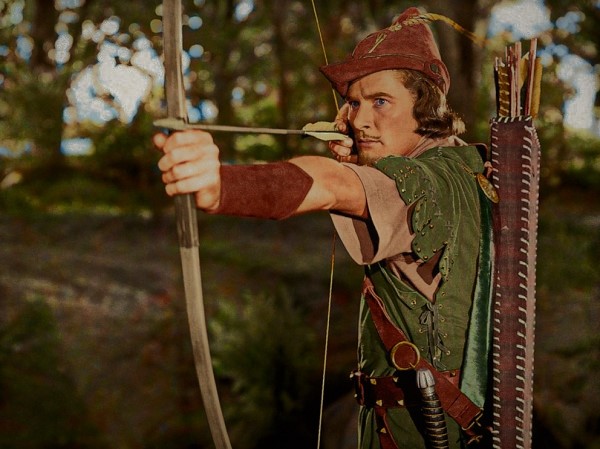
One of the most beloved characters of the people for many centuries. It is understandable: Robin Hood, according to legend, robbed the rich and gave everything to the poor.the name of Robin Hood appeared in many literary works, the most popular of which was Walter Scott’s version. However, the identity of the prototype of these ballads and legends has not been precisely established. In the 12th century, there was the term Robehod, but they branded all bandits indiscriminately. Apparently, this practice was fed by a beautiful legend.

King Arthur and the Knights of the Round Table
The legend of King Arthur, the beautiful Guinevere and faithful knights is one of the most romantic and beautiful legends in Britain. Historians agree that the prototype of the hero of legends most likely existed; maybe there were even several. But the image that we are accustomed to thanks to popular culture, including the cinema – with a beautiful wife who cheated on Lancelot, and the brave knights of the Round Table – existed only in the literary works of ancient times. It is curious that Arthur is the hero of the British (Celtic) epic and fought with the ancestors of the current English. Nevertheless, he firmly entered the English culture.
William Tell
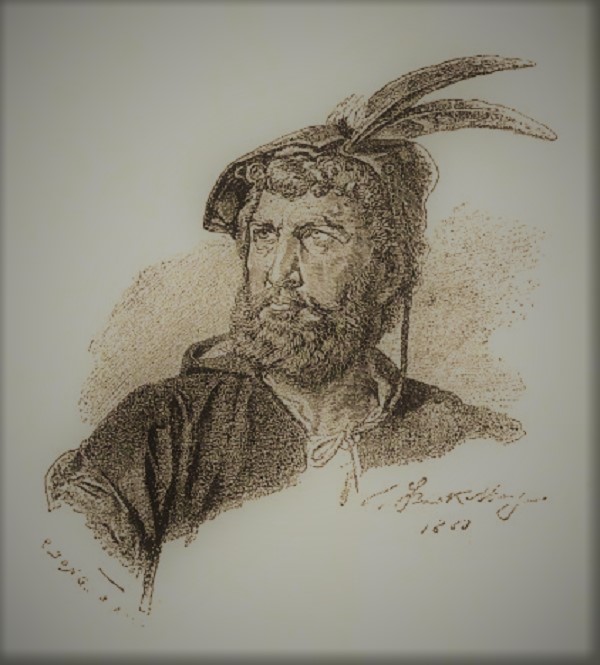
We know about the glorious fighter for freedom from the tyranny of the people of Switzerland thanks to the work of Johann Schiller and Rossini’s opera. Many will immediately call him a well-aimed shooter and tell how he was forced to shoot from a crossbow at an apple on the head of his little son. He even has a monument in Altdorf. Only now the historicity of his personality is disputed, since, apart from oral traditions, there is no other evidence of his life.
Must Read: 7 most epic losses in the history of the casino
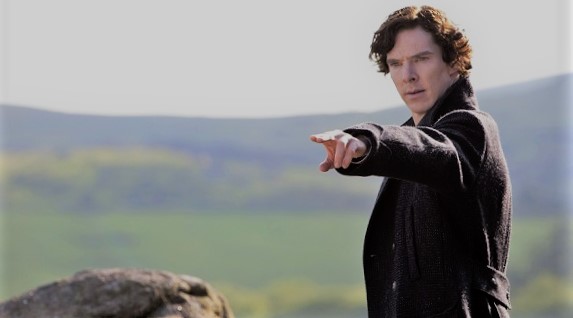
Sherlock Holmes
For several decades after the release and wild success of Sir Arthur Conan Doyle’s Sherlock Holmes, there was an opinion that such a person really solved mysterious crimes in Victorian England.
However, Holmes was completely fictional, and the address on Baker Street did not exist at the time the stories were written. The creation of a series of works about the detective Conan Doyle was prompted by an acquaintance with the doctor Joseph Bell from Edinburgh, who was fond of chemistry and especially poisons. Bell was famous for his ability to guess the character and past of a person from the smallest details.
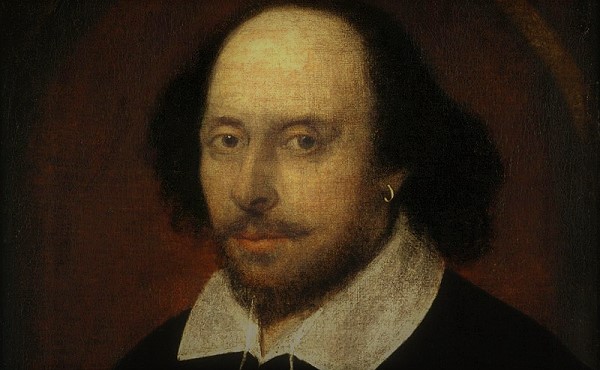
William Shakespeare
Evidence of the existence of a great poet and playwright is based on the mention of his name in historical documents. Doubts about the historicity of Shakespeare are expressed mainly because there is no evidence of his education, and yet the poet’s vocabulary, judging by the works, ranges from 17,500 to 29,000 words. The literary genius grew up in a family where they could not read and write, and Shakespeare’s daughters were illiterate.
In addition, not a single manuscript written by Shakespeare has survived. Proponents of this theory are inclined to believe that behind the name of William Shakespeare was a group of poets and writers who did not want to make their names public.
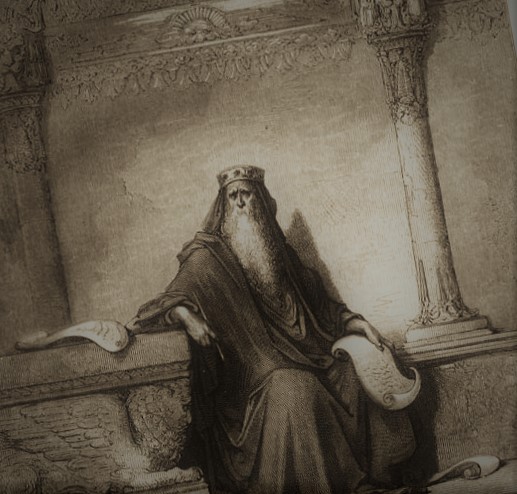
King Solomon
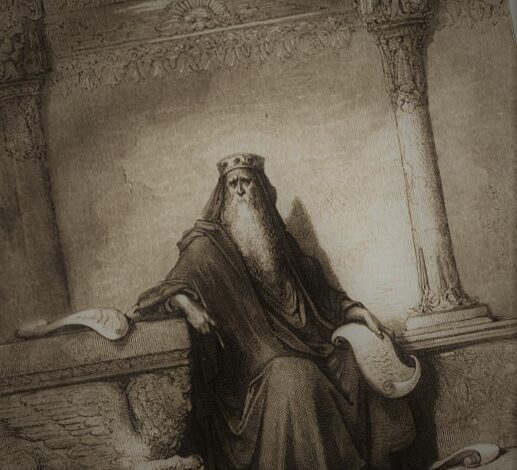
The main source of information about the life and reign of Solomon is the Bible. He is credited with the possession of untold riches, the highest wisdom and justice, as well as some magical qualities – understanding the language of animals, and power over genies. No other direct historical evidence of Solomon’s existence has been found.
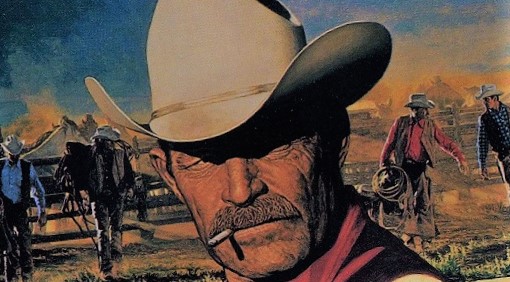
Marlboro cowboy
In the 50s in the USA and in the 90s in Russia, it could never have occurred to anyone that a brutal cowboy with a beautiful story was an invention of advertisers. Tobacco companies came up with the most masculine and stern image to promote filtered cigarettes, which in those days were considered purely feminine. And the Marlboro cowboy, who did not hesitate to smoke such cigarettes in public, was followed by others. Cigarette sales skyrocketed. By the way, four men who appeared in the Marlboro advertisement died of lung cancer, including due to smoking Marlboro cigarettes.
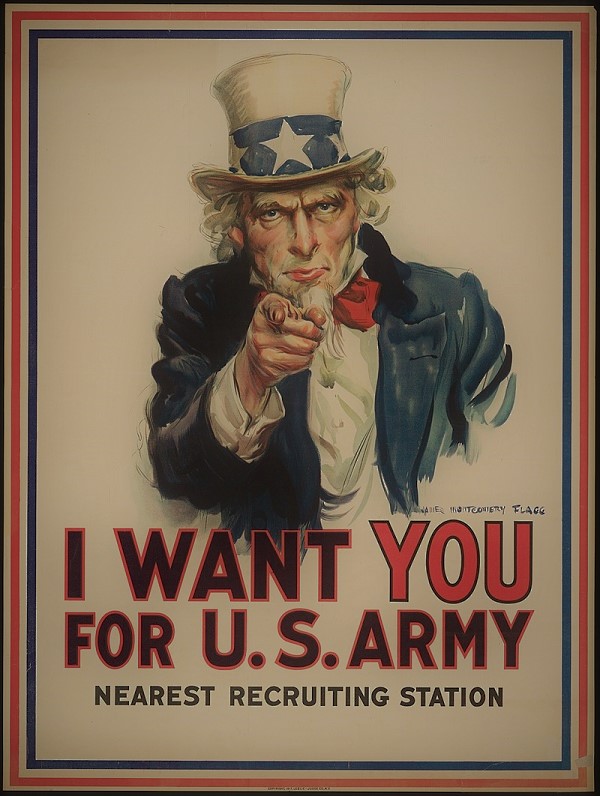
Uncle Sam
During the First World War, American propaganda posters depicted the stern and strong old man Uncle Sam, who called for volunteers to join the army. To be honest, we don’t know who believed that Uncle Sam really existed. It seems to us that everyone knew that the posters depicted a collective image that was previously used in the UK. And the face of the stern Sam received from the cartoonist James Montgomery Flagg, who created it in 1917.