Timothy Dexter: How an 18th-Century Eccentric Accidental Fortune Defied All Logic

Timothy Dexter achieved massive wealth through a series of absurd financial decisions that should have led directly to absolute ruin. Born into a poor family in 1747, the barely literate Massachusetts leather worker spent his lifetime frustrating rivals by converting malicious business traps into gold. Rather than going bankrupt, every single prank played on him accidentally turned him into one of New England’s most legendary eccentrics.
Following the American Revolutionary War, the Continental currency was practically worthless. Rich elites refused to touch it, yet Timothy Dexter spent his savings buying stacks of the paper notes for pennies on the dollar. When the U.S. Constitution was ratified and Hamilton established government bonds to redeem the currency, Dexter unexpectedly found himself a millionaire.
Jealous local merchants regularly gave Timothy Dexter terrible advice to ruin him financially. They convinced him to ship bed warmers to the tropical West Indies. The ship’s captain simply re-marketed the pans as molasses strainers, selling out the entire stock at a massive markup.
Another group advised him to export coal to Newcastle, a famous English town known for coal mining. By sheer chance, his cargo arrived during a major miners’ strike, allowing him to command premium prices. When pranksters urged him to send heavy wool mittens to the South Pacific, passing traders bought them to resell in icy Northern Asia.
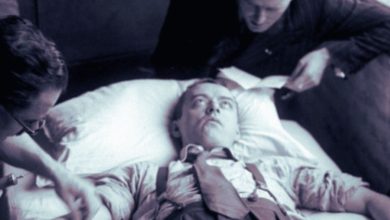
With his massive fortune, Timothy Dexter bought a grand estate in Newburyport, Massachusetts, and crowned himself “Lord Timothy Dexter”. He decorated his grounds with forty large wooden statues of famous figures, placing a statue of himself alongside George Washington. He even staged his own fake funeral to observe who would mourn his passing, famously scolding his wife for not crying enough during the ceremony.
In 1802, Timothy Dexter authored an autobiography titled A Pickle for the Knowing Ones. The book lacked any punctuation, featured erratic capitalization, and suffered from wildly creative spelling. When readers complained about the unreadable format, he printed a second edition with an additional page filled entirely with punctuation marks, telling readers to distribute them as they saw fit.