energy Crisis Redefined: How the Sanctioning Russia and Iran Act Forces Global Supply Realignments
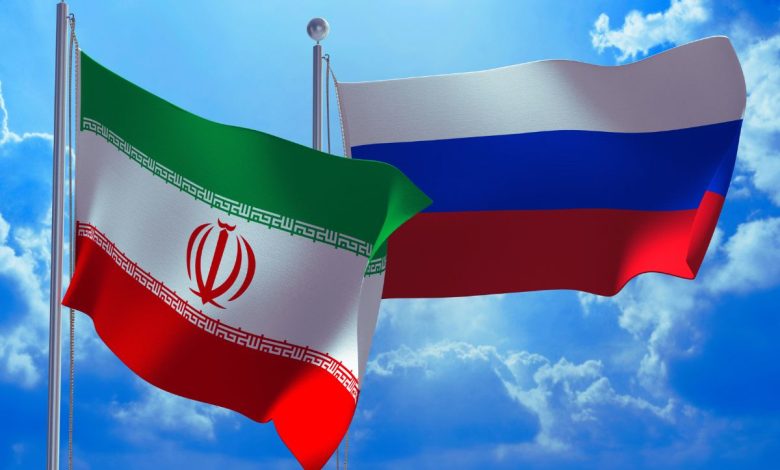
Passage of the Sanctioning Russia and Iran Act by the US Congress has sent shockwaves through international markets, threatening severe tariffs on major economies purchasing Russian oil. As maritime choke points face intensifying drone strikes and regional turmoil, major purchasing nations like India and China are forced to re-evaluate their supply lines while producers race to build overland bypasses.
The approval of this sweeping US legislation introduces unprecedented pressure on global trade alliances. Under the new statutory framework, Washington gains authority to impose punitive tariffs reaching up to 100% on trading partners still clearing Russian and Iranian energy shipments.
For major developing economies, the ultimatum strikes at the core of national energy security. Cutting off discounted Russian crude overnight threatens domestic inflation surges and industrial slowdowns across Asia. Financial ministries in Beijing and New Delhi are calculating whether cheap fuel benefits outweigh potential tariff penalties in Western export markets.
Simultaneously, traditional maritime trade corridors face unprecedented disruption from regional military conflicts. Frequent drone strikes and naval blockades near key transit arteries, particularly around the Strait of Hormuz, have sent insurance premiums soaring for commercial oil tankers.
To mitigate these maritime vulnerabilities, energy producers are investing heavily in overland pipeline infrastructure. Land-based routes through Central Asia and mainland Eurasia offer safer transport, effectively bypassing unstable naval bottlenecks. This structural pivot is permanently altering maritime logistics patterns that have governed global trade for decades.
Navigating the enforcement of the Sanctioning Russia and Iran Act requires delicate diplomatic maneuvering from global powers. European allies are watching closely to see if Washington will enforce maximum tariffs against key Asian trade partners without destabilizing broader economic ties.
At the same time, shadow fleets and alternative payment mechanisms are operating at record volumes to keep energy flowing. Importers are increasingly settling transactions in local currencies, bypassing traditional dollar-clearing systems altogether. These financial workarounds signal a broader fragmentation of the global trade system.
As geopolitical friction reshapes supply lines, energy infrastructure is being fundamentally rebuilt around new security priorities. The era of relying exclusively on vulnerable ocean transit lanes is coming to a close.
Nations that adapt quickly to overland routing and supply diversification will withstand coming economic shocks far better than those relying on legacy supply lines. The interplay between aggressive sanction regimes and physical infrastructure redirection guarantees that global trade will remain volatile for years to come.