Do bees die after they sting?
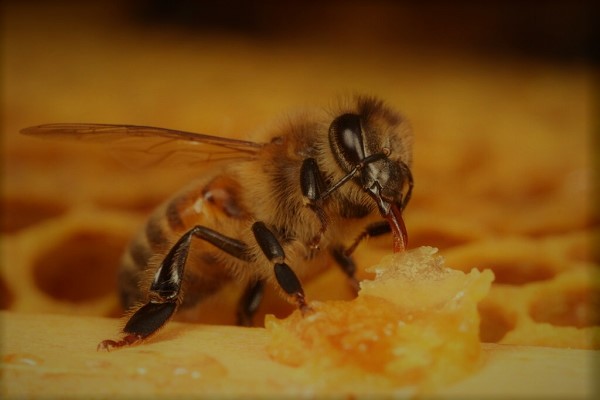
Everyone knows that when a bee stings a person, soon dies. its sting remains in the body of the victim, and with it, the insect loses part of the internal organs. Why did nature make such a mistake when creating a weapon of self-defense? Or maybe not everything is so simple and there is some kind of secret?
Bees are amazing creatures, incredibly hardworking, and living in highly developed and very complex communities. Worker bees have a serious defense mechanism – a sting with poison. A bite, and if correct, a sting, causes severe pain and can be dangerous even for humans.
True, the probability of dying is very low, about the same as the chance of dying from a lightning strike. Every year, only 0.03-0.48 people per 1 million die from bee stings in the world.
A bee sting causes local acute pain and swelling of the affected area. If a person is allergic to bee venom, then he may develop a fever and malaise. After a string, almost everyone is sure that the bee will die, but this is not always the case. Not all bees can sting, and of those that sting, not all die. Scientists say that millions are stingless bees, and do not know how to sting.
Must Read: Do dogs have a memory?
They have a sting, but it is not so developed as to cause harm to someone. These winged insects have other defenses. Some species bite with their jaws, others ram the enemy at high speed, and there are bees that use plant resin to immobilize the enemy. Most bee species remain alive after a sting attack Remain alive and unharmed after being bitten by many species of solitary bees living in different parts of the world. Bumblebees, hornets, and wasps do not die either.
But honey bees die after being bitten. And the point here is not that evolution did not provide for something but in our skin. Why do they still die? The sting of the bee has notches that prevent the insect from extracting it from our thick and elastic skin. The bee stings and flies away, tearing the belly. A few minutes later, the bee dies. Its sharp, serrated weapon sits firmly in our skin and is not easy to remove even with tweezers.
The stinging apparatus of the honey bee is designed to interact with the dense chitinous shells of other insects. Having stung a wasp, the bee calmly removes the sting and can immediately attack again. Man is not a natural enemy of bees in nature, so mother nature did not provide for a fight with him. If you think that a bee sting is very painful, then this means that you have never been stung by a giant hornet. These guys definitely know a lot about painful bites.