How Urban Birds Building Their Own Barter Economy Are Cleaning European Streets
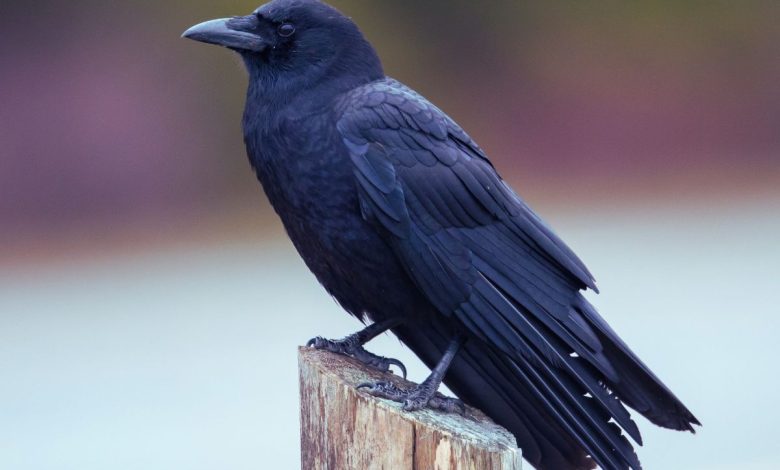
The rise of urban birds building their own barter economy is turning European city plazas into unexpected hubs of avian commerce. Wild corvids are retrieving cigarette butts and metallic litter, dropping them into automated vending machines in exchange for tasty peanuts. This clever trade system has sparked comical turf battles while accidentally cleaning up urban streets.
Urban wildlife has long adapted to human habits, but recent technology experiments have elevated that relationship into a literal marketplace. Across select European public squares, custom-built smart bins equipped with camera sensors and dispensing trays are inviting wild crows to participate in organized recycling. Crows quickly figure out that delivering a discarded cigarette filter yields a fresh, unsalted peanut instantly.
It did not take long for local flocks to memorize the location of these automated exchange stations. What began as an experimental pilot in animal behavior rapidly transformed into a daily routine for urban corvids. The birds actively sweep parks, outdoor cafes, and bus stops, scanning the pavement for tradeable objects to cash in at their local dispenser.
The technology behind these bird vending machines relies on optical sensors and basic machine learning algorithms. When a crow drops an item into the machine’s intake funnel, the system evaluates the deposit in real time. If the scanner recognizes a valid piece of trash—such as a cigarette butt or foil wrapper—it releases a single treat onto a feeding platform.
Crows belong to the Corvidae family, known globally for their problem-solving capabilities, tool usage, and exceptional memory. Researchers noticed that older, dominant crows were often the first to master the mechanism, quickly demonstrating the technique to younger flock members. Within weeks, entire crow communities understood that street trash possessed tangible purchasing power.
As urban birds building their own barter economy expand their presence, hilarious side effects have emerged across city neighborhoods. Dominant crow pairs have established strict territorial guard duty around the most profitable vending units. Outlier birds frequently attempt to sneak in with stray twigs or leaves, testing whether the machine can be tricked into giving away free snacks.
The competitive atmosphere has created lively turf disputes among neighboring corvid families. Birds sit atop nearby lampposts, waiting for a competitor to drop a butt before swooping in to steal the peanut reward. Municipal observers report that while the competition is fierce, the surrounding streets are noticeably cleaner as a result of the relentless bird patrols.
Beyond the novelty of feathered street cleaners, urban planners see genuine potential in working alongside wildlife to manage micro-litter. Cigarette filters remain one of the most tedious and expensive forms of pollution for human street sweepers to collect manually. Utilizing the natural foraging instincts of urban birds offers an innovative, low-cost supplement to traditional sanitation efforts.
However, wildlife experts emphasize the importance of safeguarding the birds’ health throughout the process. Ongoing trials evaluate whether repeated contact with toxic nicotine residue affects corvid well-being over extended periods. Provided safety standards are met, the phenomenon of urban birds building their own barter economy proves that wildlife can adapt to human environments in mutually beneficial ways.