Cheesecake Factory Stock Beats Tech Giants After Viral Hit
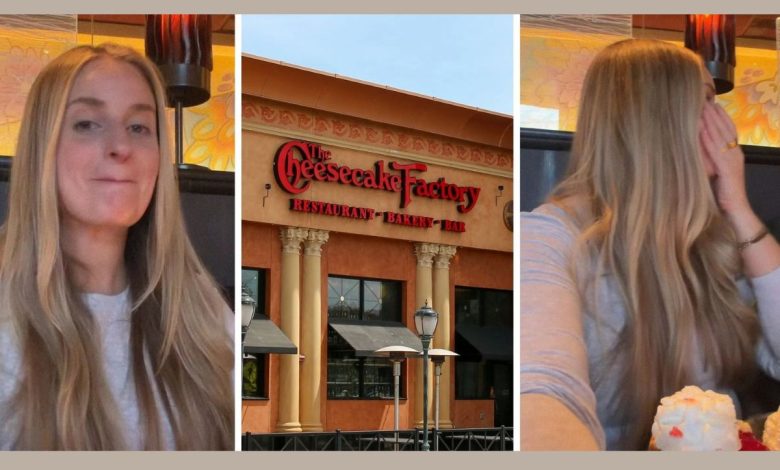
Cheesecake Factory stock is outperforming some of Wall Street’s biggest tech giants this fall, fueled by a viral TikTok trend that translated directly into unexpected profits. The casual dining chain reported record-breaking third-quarter earnings late Tuesday, proving that organic social media clout can sometimes beat out Silicon Valley algorithms when it comes to retail investor returns.
For US consumers and retail traders, the numbers tell a surprising story of offline indulgence meeting online virality. Driven by new menu additions, a burgeoning rewards program, and massive exposure across Gen Z’s favorite video platform, the California-based restaurant company saw total sales jump 13.5% to $1.03 billion for the quarter. Comparable restaurant sales surged an impressive 15.2%, easily clearing Wall Street’s expectations of 9.53% growth.
The financial windfall was more than just a temporary bump in foot traffic. Operational improvements in food efficiency and labor productivity helped bolster profits by 50% year-over-year, hitting $1.02 per share—six cents better than analysts expected. The performance immediately forced financial institutions to adjust their models. Following the earnings release, UBS Group boosted their target price on shares of The Cheesecake Factory from $60 to $80.
While Magnificent Seven tech stocks generally dominate morning trading discussions, the CAKE ticker has captured the attention of two very different demographics: young retail traders and older institutional investors. The crossover appeal lies in the brand’s massive cultural footprint. The notoriously extensive menu and distinct, grandiose decor have become a familiar, almost ironic backdrop for thousands of viral clips. These social media moments are driving younger diners to locations across the country, effectively turning a familiar suburban dining staple into a meme-powered growth asset.
This surge arrives at a time when much of the casual dining sector is struggling with inflation-weary customers pulling back on discretionary spending. Yet, the social media buzz provided a distinct competitive advantage against the broader industry slowdown.
CEO David Overton noted the direct impact of this momentum on their bottom line. “We delivered an exceptional third quarter, generating record quarterly revenue, with margins and earnings also exceeding our expectations,” Overton stated. He added that the company’s restaurants meaningfully outperformed the rest of the casual dining industry in both overall sales and foot traffic.