4 places on Earth where cannibalism is still alive
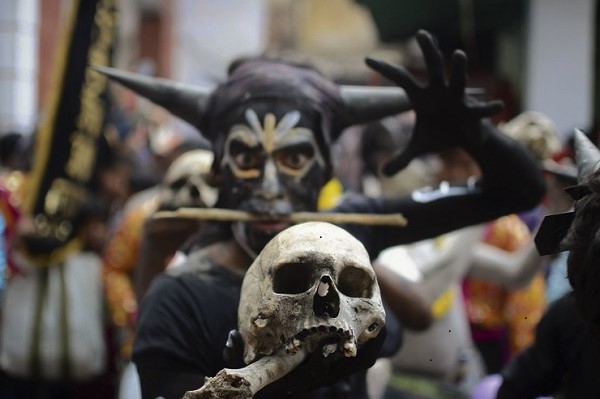
The uniqueness of countries and regions is quickly devoured by globalization. More and more traditional faiths are fading away, replaced with a variety of Halloween events that have nothing to do with the majority of people’s culture. Fortunately, the transformation of the entire globe into a repetitive Americanized mass is still a long way off. There are many places on the earth where wonderful customs for outsiders have been kept. Cannibalism is one of the most extravagant examples.
- Wari tribe, Brazil.
Deep in the forests of the Amazon lives a small tribe of Wari. There are no more than two thousand left. This tribe was the last of all the South Americans to make contact with the civilized world. In 1960 their terrible ritual was revealed, which, upon deep study, turned out to be filled with morality. The body is kept until all of the deceased’s family can assemble at the location. It normally takes three days to complete. When everyone is assembled, the body of the deceased is roasted and eaten. The blood relatives of the deceased do not participate in this, they only watch how distant relatives eat. In addition, all the property of the deceased is burned.
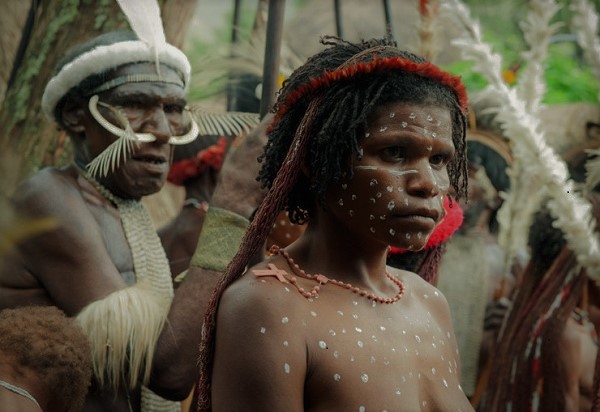
The thought of leaving a body in the damp earth to decompose is as terrible for the Vari as the thought of cannibalism is for us. An American, Betsy Conklin, who lived with the Wari for 18 months, picked up a very accurate metaphor: “grief-consuming.”
- Varanasi, India
Varanasi, one of Hinduism’s sacred towns, was founded a thousand years before Christ’s birth. Each year tens of thousands of Hindus from all over the world visit this place. They believe This ancient city is the center of the universe. No one dares to trample on these epoch-making traditions, despite their sinister nature. In Hinduism, death is only one of the samsara stages, a turning point in the wheel of rebirth. And all Hindus strive for moksha – the completion of this cycle, the endpoint.

The Aghori, a Varanasi ascetic religious group, takes a shortcut. They perform nightly rituals over the ashes of those whose bodies are burned on the banks of the Ganges, as per Hindu tradition, in order to reach as close to moksha as possible.
The group now has roughly a thousand active followers in India. Despite their horrific ceremonies, the Aghori are lavishly rewarded. Indians believe that preventing the monks, known as “Shiva’s chosen ones,” from eating the corpses and performing ceremonies will result in their souls being damned. In this sense, there are no legal limits in the country.
Read More: Why is Lenin’s body still kept in the Mausoleum?
- Karawai tribe, Papua New Guinea Papua.
New Guinea has more cannibals than supermarkets. Due to the lack of protein food, the natives often dine with their comrades. cannibalism has declined dramatically in recent years as a result of the kuru-kuru disease pandemic.
In the Karavai tribe, however, this is not the case. Eating a deceased person is a form of vengeance for its representatives.

Australian journalist Paul Rafael, who once made a trip through the forests of Papua New Guinea and Indonesia, tells: “For a loaf if someone falls out of a treehouse or is killed in battle, the cause of his death will be quite obvious. But death due to illness is a mystery to them. After all, they know nothing about germs and infections.”
- Cannibals Fiji
All of the cannibals described above are not dangerous to strangers and never kill people in order to eat them. But this cannot be said about some of the indigenous inhabitants of the island of Fiji. Of course, Fiji is no longer such a wild place as it was in the 19th century when even missionaries were afraid to come here. However, tribes still live in the forests, remaining faithful to traditions. They still kill their own kind for food.
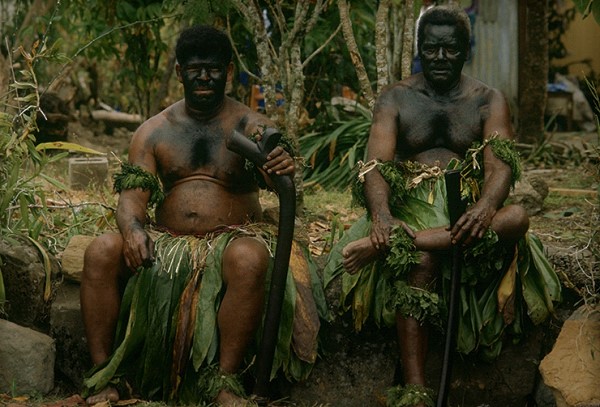
Not only do tribes often quarrel with each other which almost always ends in a bloody feast over the defeated, but they can also dine with tourists who accidentally wandered where they should not. In the summer of 2017, a message flashed in the news feeds that a married couple from Ryazan had disappeared without a trace in Fiji. It was most likely eaten by cannibals.