Benito Mussolini Secret Life: The Dark Obsessions of Italy’s Fascist Dictator
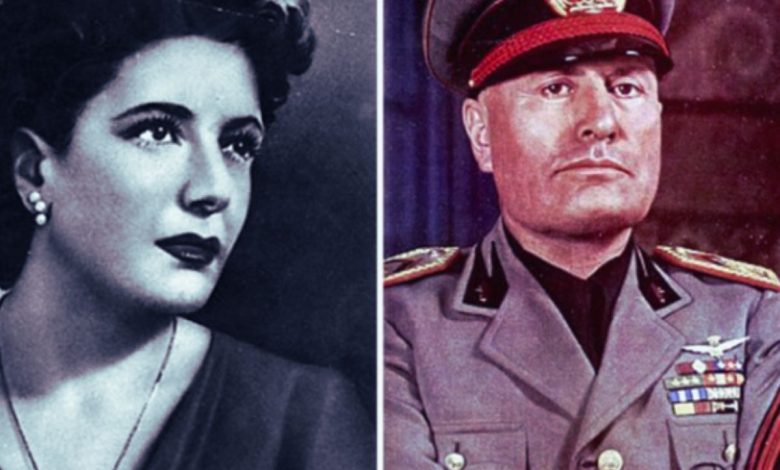
Declassified historical archives detailing the Benito Mussolini secret life reveal how the Italian fascist leader projected absolute power in public while harboring bizarre, insatiable personal obsessions behind closed doors. Behind his stern public persona and grandiloquent speeches lay a chaotic private reality defined by extreme narcissism, erratic behavior, and an unrelenting desire to dominate everyone in his orbit.
Throughout his reign over fascist Italy, Mussolini spared no effort in crafting an image of untiring strength and supreme authority. State propaganda presented Il Duce as a superhuman figure who slept very little and devoted every waking hour to the glory of the nation. Yet, historical documents probing the Benito Mussolini secret life present a starkly different narrative.
Away from public rallies and carefully staged photographs, his daily routine was driven by intense vanity and personal excess. Former aides and associates noted that Mussolini viewed his personal life as an extension of his political authority, expecting complete submission from those who entered his private quarters.
Much of what historians now understand about the Benito Mussolini secret life stems from the extensive diaries kept by Clara Petacci, his long-time mistress. Petacci meticulously documented their conversations, revealing a man consumed by intense jealousy, sudden mood swings, and a relentless need for emotional validation.
In her journals, she described how Mussolini bragged about his numerous affairs while simultaneously monitoring her every movement with intense suspicion. He frequently expressed deep anxiety over his waning influence as World War II progressed, often taking out his frustrations on those closest to him in private tantrums.
Mussolini’s private impulses frequently leaked into his political governance, influencing key decisions and appointments within the Italian state. Favoritism, personal grudges, and impulsive desires often dictated who gained access to the dictator rather than administrative capability or strategic merit.
This erratic leadership style severely weakened the government’s stability as internal crises mounted. By surrounding himself with sycophants who indulged his ego rather than offering sound counsel, Mussolini accelerated the collapse of his own military and political apparatus.
As Allied forces advanced and domestic opposition surged, Mussolini’s carefully constructed world rapidly unravelled. His desperate attempts to maintain control proved futile against the overwhelming tide of the war, forcing him into a humiliating flight toward the Swiss border.
In April 1945, communist partisans captured Mussolini and Clara Petacci near Lake Como. Both were executed, and their bodies were displayed publicly in Milan, bringing a grim end to the dictator’s reign and cementing his legacy as a tragic study in absolute corruption.