How Anti-Surveillance “Invisible Clothing” Is Outsmarting AI Cameras
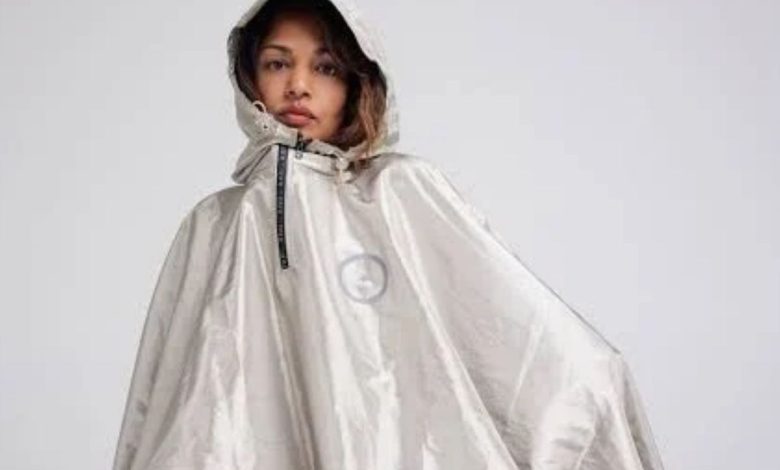
When walking through a modern metropolis under thousands of artificial intelligence cameras, wearing invisible clothing has suddenly become the ultimate statement of personal autonomy. What looks like a loud, mismatched Hawaiian shirt or a chaotic geometric print to the human eye acts as total digital camouflage against computer vision algorithms. Across major fashion capitals, a quiet rebellion is taking root: designers and digital privacy activists are collaborating to create wearable technology that scrambles real-time biometric tracking.
Mass surveillance is no longer confined to sci-fi films or classified government installations. Facial recognition software, automated license plate readers, and object-detection models scan public plazas, transit hubs, and commercial streets around the clock. In response, a new wave of fashion innovators is pioneering counter-surveillance apparel designed to disrupt these visual tracking models.
By exploiting the mathematical vulnerabilities of deep neural networks, these garments break the foundational logic of computer vision. A camera running YOLO (You Only Look Once) or similar detection frameworks relies on specific visual nodes, shapes, and contrast points to recognize a human torso or face. When those points are scrambled by adversarial noise, the AI simply skips past the subject.
The magic behind this digital camouflage relies on adversarial machine learning examples. Designers intentionally train artificial intelligence models on specific clothing patterns, adjusting pixel densities and high-contrast color blocks until the neural network registers false positives—like identifying a shirt pattern as a giraffe or a parked car—or drops detection entirely.
When a person wears these specially engineered prints, the automated system fails to bound the individual with a tracking box. To a human bystander, you are wearing an eye-catching, pattern-heavy piece of contemporary streetwear. To an automated surveillance grid, you effectively cease to exist. This clever subversion provides a non-violent, legal mechanism for individuals seeking refuge from continuous state and corporate monitoring.
What began as niche research inside academic cybersecurity labs has rapidly mutated into a full-fledged cultural movement. Underground fashion labels, cyberpunk enthusiasts, and privacy advocates are taking these specialized fabrics directly to the runway. Loud prints, high-contrast Hawaiian shirts, oversized hoodies, and reflective scarves are becoming the armor of choice for a generation that feels over-monitored.
Rather than hiding in the shadows with balaclavas or full face masks—which often trigger law enforcement scrutiny or violate public assembly codes—wearers use high fashion as a protective shield. Style becomes a statement of digital sovereignty, proving that personal privacy and personal expression can walk hand in hand.
As facial recognition laws remain patchy across global jurisdictions, physical anti-surveillance tools occupy a fascinating legal gray zone. Most municipalities forbid face coverings in public during civil actions, yet no law prohibits wearing boldly patterned shirts or bright, geometric outerwear.
However, computer vision engineers are already racing to update dataset models to recognize adversarial patches. This creates a continuous cat-and-mouse game between fashion designers updating their print collections and tech companies training tougher AI algorithms. For now, the street movement continues to grow, serving as a reminder that as long as technology invades personal spaces, creative citizens will find ways to wear their privacy on their sleeves.