Why is Lenin’s body still kept in the Mausoleum?
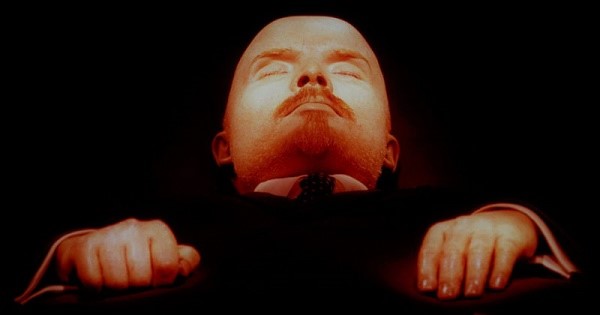
For nearly a century, the body of Vladimir Ilich Lenin, the world proletariat’s leader, has slept in the Mausoleum on Red Square in Moscow. And the debates over him have continued for the past 30 years. Someone wants to bury him, while someone wants everything to stay the same. Vladimir Volfovich Zhirinovsky even offered to sell the mummy to China for a large sum of money. Despite this, Lenin remains enshrined in his tomb. Why do they preserve his body and spend so much money on it each year?
Lenin’s death on January 21, 1924, was a national tragedy. Tens of thousands of people from all over the country and from abroad wanted to say goodbye to the leader. It was not possible to organize this quickly, and then the country’s leadership had the idea to embalm the body. Not all of Ilyich’s associates supported this idea, but the decision was made anyway.
Boris Zbarsky, a biochemist, and Vladimir Vorobyov, an anatomist, were two Soviet science giants who took on management positions. The wooden Mausoleum, which was built near the Kremlin’s walls, has been converted into a full-fledged scientific laboratory. A combination of formalin, potassium acetate, and glycerin was used to preserve the body. The brilliant experiment was a success, and Lenin chose not to bury after lengthy farewells and mourning activities.
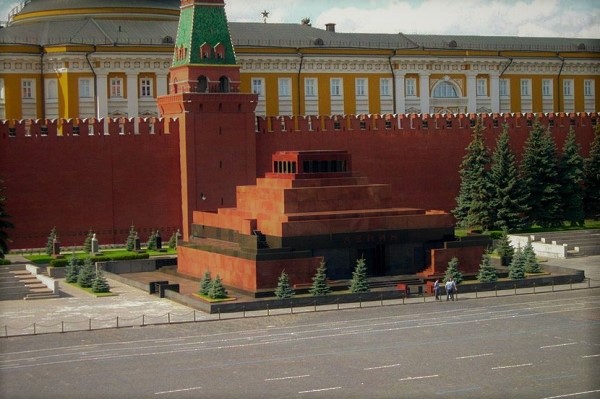
At the end of 2021, the press secretary of the President of Russia Dmitry Peskov said that the issue of Lenin’s burial was not on the agenda. He added that perhaps a discussion on this matter will take place in 2024, on the centennial anniversary of the death of Vladimir Ilyich. It must be said that there are many supporters of Lenin’s funeral even among the communists. For many years they have been saying that the leader himself wanted to rest next to his mother and that his wife Nadezhda Krupskaya opposed embalming.
Must Read: 9 Historical Figures Whose Existence Scientists Question
However, the burial of Lenin is a more complicated issue than it appears. People who were raised with communist ideology are still alive and well. For them, the leader’s body is a relic, a symbol of the era that must be preserved. The decision to bury Ilyich’s remains has the potential to create mass outrage. It is quite obvious that even bringing the issue of burial up for discussion will cause many protests from communists and radicals.

there are very few people who support communism, and many young people have never heard of Lenin. Despite this, long lines continue to form outside the Mausoleum. The Tomb of Vladimir Lenin is a popular tourist destination. It’s also worth noting that the Mausoleum has become a part of the Red Square historical complex.
It is listed on the UNESCO World Cultural Heritage List alongside the Kremlin and St. Basil’s Cathedral. The Mausoleum was additionally included in the inventory of federally significant historical and cultural heritage objects in 1995.