How a VPN works and what you need to know
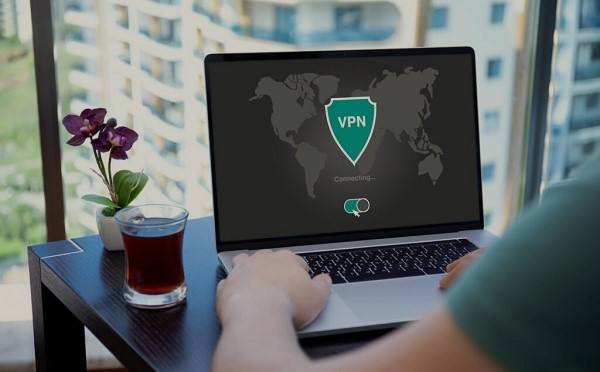
Recently, on the Internet, you can increasingly stumble upon the abbreviation VPN. Many already know that this is a technology that helps bypass blocking and prohibitions on the network and visit blocked sites. But when using a VPN, many people face problems.
Most often they are associated with poor awareness of the principles of operation of such services and their wrong choice. We decided to talk about how a VPN works and how to get the most out of its capabilities.
How a VPN Works
Under the abbreviated name VPN hides a very simple concept. This is a Virtual Private Network or in a simple way – a “virtual private network”. The technology allows you to establish a secure connection between the user’s device and the Internet server. With its help, information about the resource visitor is protected from interception and modification. But the most important thing can be considered is that VPN replaces the real IP address and thus opens access to blocked sites and social networks. Simply put, the technology helps solve the three most pressing problems of today’s web users:
- Maintains data confidentiality
- Protects your information
- Virtually changes the location.
The third property is considered the most valuable. When a user accesses a resource through a VPN, his own IP is not visible.
Instead, the address of the VPN server is used, which can belong to any country. If the resource has been blocked for users of a certain country or zone, then you can easily bypass the ban by entering, as it were, from another part of the planet. VPN services can provide location suggestions automatically or manually. The second method is convenient in that you can easily visit sites blocked in your region, but available in other places. Unfortunately, there are more and more restrictions on the network every day, so technology has become a necessity for many.
How to choose a VPN service
There are many VPN services available for computers and mobile devices these days. They have different functionality and, of course, differ in quality and reliability.
Both paid and free offers are available to users. To choose a secure service that will work stably, you need to know the answers to several questions. First of all, you should find out how long VPN has been around. Both old, time-tested services and useless one-day ones are now available. Of course, a service that has been working for many years is much preferable to a remake, no matter how tempting it is described. To get maximum protection, you should find out if the VPN saves information about the sites you visit on its servers. Remember that if such statistics are kept, then there is a possibility that your logs will fall into the wrong hands.
Given that the “crackdown” is intensifying, this can lead to the most unpleasant consequences. When choosing a service, it is important to find out on which protocol it works. From the outdated PPTP (Point-to-Point Tunneling Protocol) with a low degree of reliability, it is better to refuse. VPNs that work with the OpenVPN protocol are considered the best today. Your best bet is to use a VPN with the ability to manually select a location. This will give you more wiggle room to get around the bans that exist in different countries. This is important as many countries use site blocking and automatic selection may not be effective. Make sure that the service does not show your real IP address when checking through services such as WhatLeaks.
Paid VPNs offer more options, so you might want to consider purchasing as well. So you can get a wider choice of locations and the highest level of security. Most often, the owner of the service asks for a little, sometimes the price of services is generally symbolic. In the end, it should be clarified that VPN services offer privacy, not anonymity.
They protect user data and replace information about his location. But all this is aimed only at bypassing the blocking of Internet resources, nothing more.