
How coffee production works in the Dominican Republic
For many of us, morning is unthinkable without a cup of coffee. This invigorating drink has become an integral part of the life of city dwellers. But what do we know about coffee production?
What is the path of the coffee bean from the plantation to the cup? Dominican coffee is valued all over the world for its aroma and strength, rightfully considered one of the national symbols and pride.
Coffee was introduced to Central America in the 18th century. Since then, the tradition of cultivating these invigorating fruits has taken root and multiplied in different countries of the Caribbean. Today, coffee is one of the most important agricultural crops in the Dominican Republic.
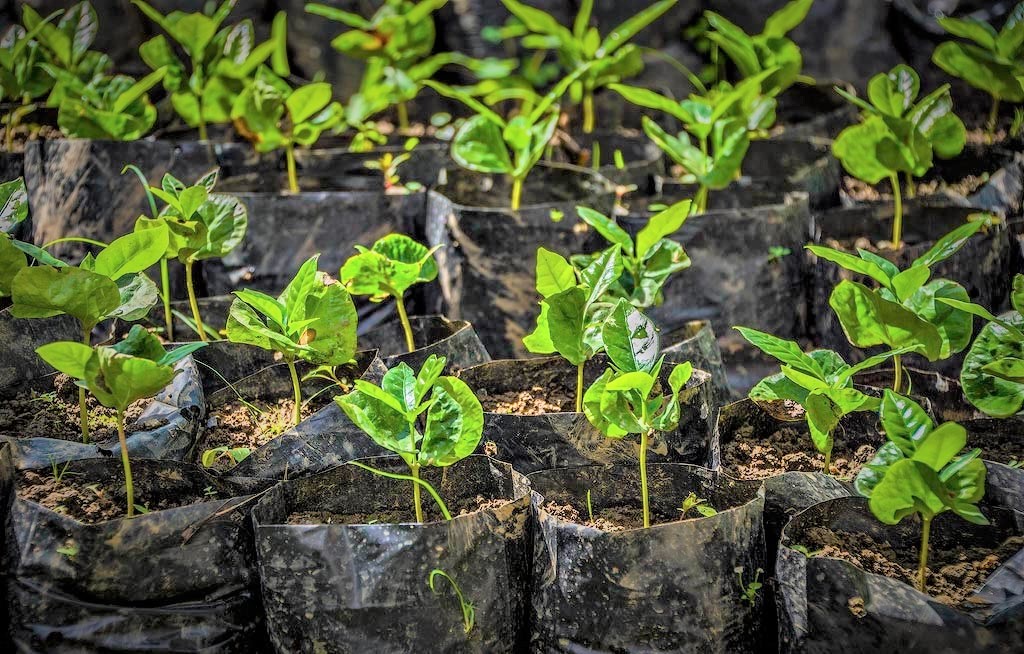
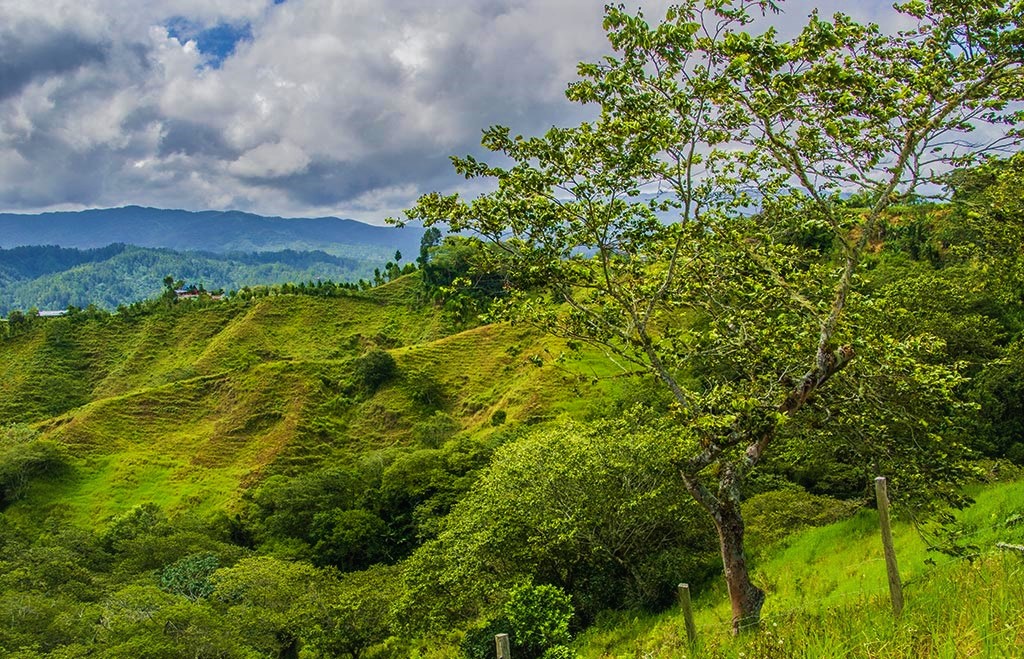
The best Dominican coffee is grown near the small town of Jarabacoa in the mountainous region of the island of Haiti. Coffee berries are harvested on mountain plantations, and their collection is not easy, because it is impossible to use the equipment on steep clay slopes.
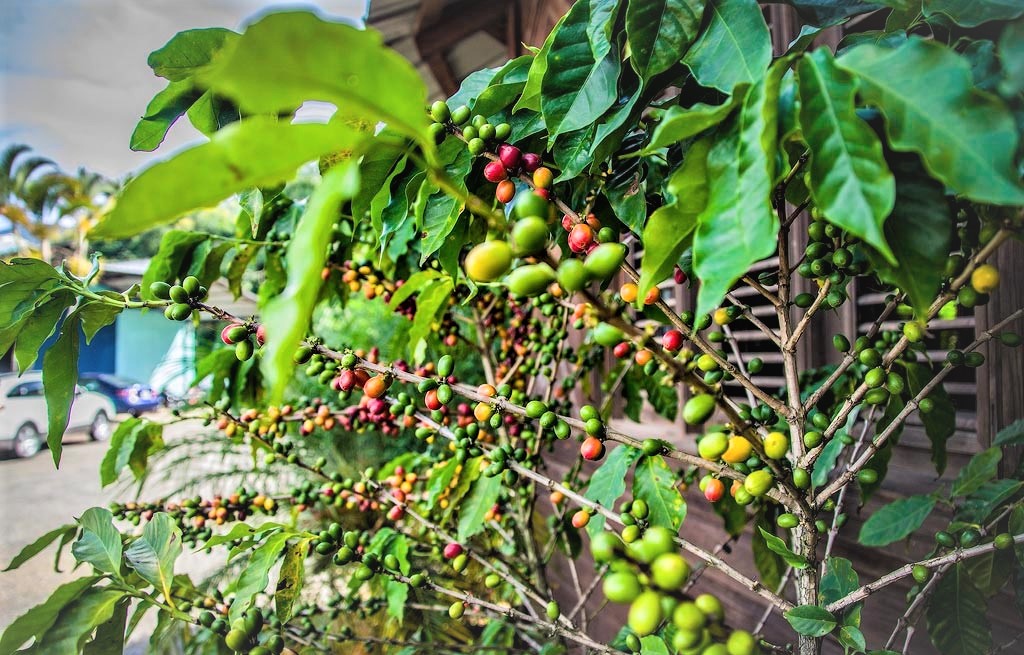
Only Arabica is grown here – a cultivated variety of coffee trees. Nursery-grown seedlings quickly take root on the fertile lands of local mountain plantations. After three years, the trees begin to bear fruit.
Coffee berries do not ripen at the same time, and you need to collect only those that have already turned red. Therefore, pickers go through the same slope several times a month.
It is believed that coffee fruits that ripen in the mountains at an altitude of 700 to 1500 meters have special properties. Alpine coffee is considered better than lowland coffee, and all because coffee trees develop more slowly in the mountains, due to which their beans are obtained with a more refined taste.
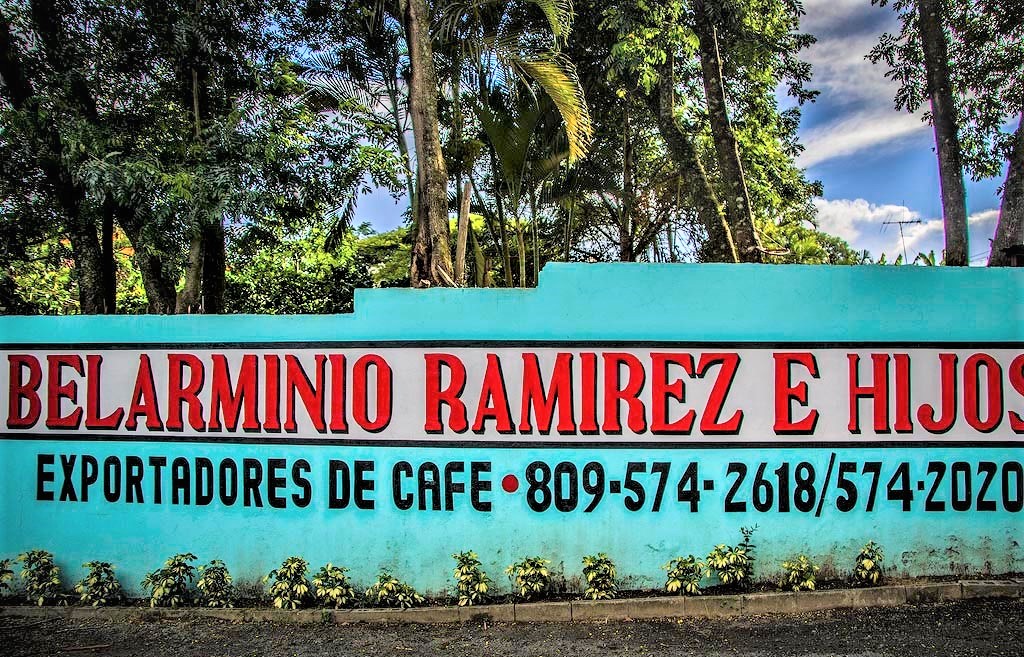
Now let’s go to the Ramirez Brothers Coffee Factory, a family business that has been operating in Jarabacoa since 1943. Today it is managed by the second generation of owners who honor and increase the tradition of making high-quality high-mountain coffee.
Around the factory, a cooperative of four hundred local farmers has united, who in the morning bring coffee harvested the day before from nearby plantations. Here it is reloaded, weighed, and sent for processing.
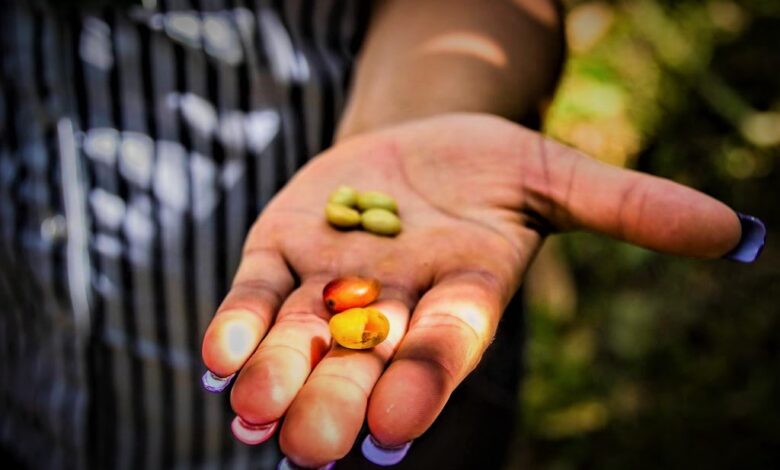
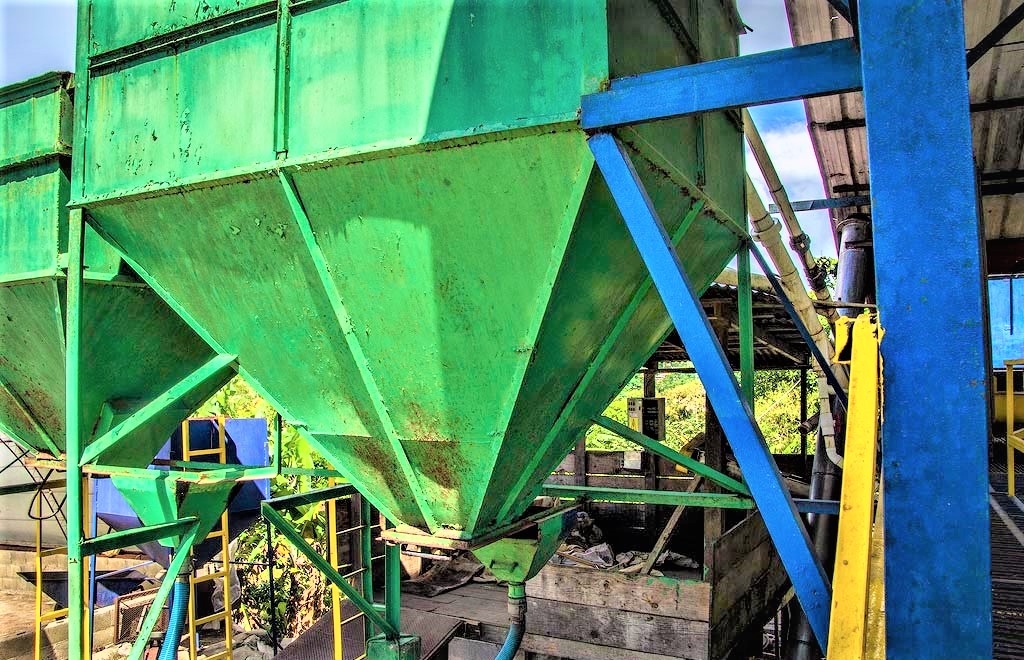
There are many different stages in the preparation process at the coffee factory. It all starts with the fact that a ripe coffee berry, which in this industry is called a “cherry”, is cleaned of pulp. Each cherry usually contains two regular grains or one whole, fused piberi grain.
The harvested ripe berries are subjected to dry or wet processing. In dry processing, mature cherries are dried in the sun after harvest, then the fragile pericarp is cleaned by a machine. In the wet processing method, fresh berries are passed through a washing machine, where the pulp is washed off with a stream of water. Dried coffee beans in the sun for 1–2 months or in fire dryers at a temperature of 50–60 °C.
Coffee at the Ramirez brothers’ factory is dried not by heating in industrial units, but by the natural method – drying in the sun is used here, thanks to which the coffee beans acquire a deep fruity taste.
The highest quality grains are considered to be slowly dried in the open air. After all, coffee beans dried in the sun best of all retain all their nutrients, color, and aroma. During the day, the grains under the sun heat up, and at night they gradually cool down. It is this drying method that is considered the most optimal.
Coffee is dried under special sheds for ten days, during which the grains are constantly stirred with a huge wooden rake. In order for the drying to be uniform, on the first day, each grain must be turned over 20 times, and every next day – another 8 times.
Already dried coffee is cleaned of thin parchment husks using special machines. This process is called peeling and is carried out immediately before frying. Previously, such uncomplicated manual devices were used for these purposes.
For Amazing pictures click Here
The coffee is then sorted by size and quality. Sorting by size is carried out using several grids with cells of different sizes. The largest grains are marked with the AA mark. At the same time, the most expensive varieties of coffee are obtained from the heaviest grains.
So that nothing spoils the taste of coffee, you need to remove all impurities, spoiled coffee beans, and other debris from it. This is done both by machine and by hand at various stages of coffee processing. The last impurities are removed during the roasting process in the form of frying debris, and husks.
Packed in branded bags, coffee from the factory of the Ramirez brothers is sent all over the world. The local coffee has a rich taste with a slight acidity, which is appreciated in the international market.
The factory of the Ramirez brothers produces up to 60 tons of coffee per year, which is not so much. But the owners of the factory do not rely on quantity but on quality.
Must Read: 7 cursed jewelry that brought bad luck to their owners
Mostly abroad, grains from the Dominican Republic are supplied unroasted. Roasting takes place already on the spot, so that the consumer receives coffee “brought to condition” no more than 10–12 days ago, which retains its taste and aroma to the maximum.
But a certain amount of coffee intended for the domestic market is roasted at the factory in such gas ovens. When roasted, moisture evaporates, so the grains become bulkier and lighter while acquiring a new taste and aroma. In addition, during roasting, special coffee oil is formed in the beans.
The coffee that we see on the shelves of the supermarket is called “commercial” in the coffee industry. This category includes packaged ground coffee, which is sold branded. At the same time, it is usually not of very high quality – all the best beans are bought in green by coffee brokers.
Commercial coffee is a very familiar product for the average consumer who has been drinking “old” coffee for many years, that is, one that was roasted more than two months ago.
