How El Niño and La Niña Are Reshaping Global Weather Patterns
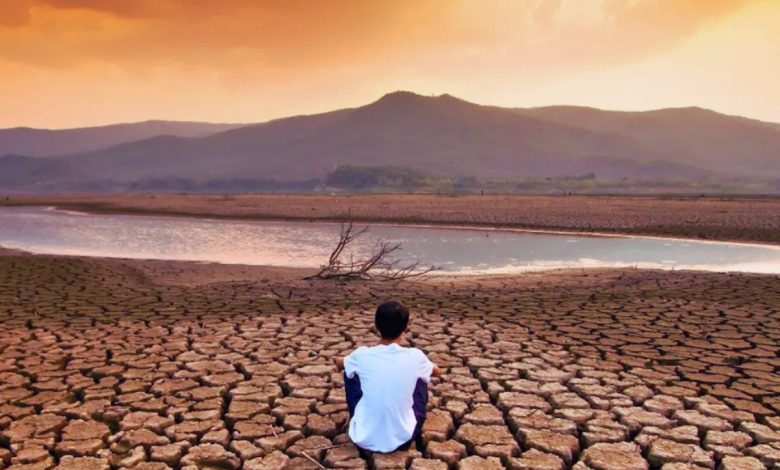
Understanding the dramatic global impacts of El Niño and La Niña has become vital as extreme weather events escalate worldwide. These twin climate phenomena originate deep in the tropical Pacific Ocean, steering monsoon seasons, triggering severe droughts, and dictating global temperature spikes. From agricultural disruptions in Asia to severe flooding across South America, their shifting cycles constantly reshape our planet’s atmospheric patterns.
The Earth’s climate system relies heavily on the delicate balance between oceanic currents and atmospheric pressure. At the heart of this planetary engine sits the equatorial Pacific Ocean, where trade winds normally push warm surface waters westward toward Asia. When these prevailing winds weaken, warm water sloshes back eastward toward the Americas, marking the arrival of the ocean warming phase known as El Niño.
Conversely, when trade winds blow with exceptional force, they push warm water further toward the western Pacific. Cold, nutrient-rich water rises from the deep ocean off the coast of South America to replace it. This cooling phase represents La Niña, creating an atmospheric footprint that stands in stark contrast to its warmer counterpart.
The climate ramifications of these oceanic swings stretch far beyond the tropical Pacific coastline. During an El Niño event, global average temperatures tend to rise sharply, often pushing annual climate records to unprecedented highs. Tropical regions in Southeast Asia, Australia, and parts of southern Africa frequently suffer from prolonged droughts, leading to severe crop failures and forest fires.
Meanwhile, South America and the southern United States experience torrential rains and devastating flash floods. When the atmosphere shifts into a La Niña phase, these weather dynamics flip dramatically. Australia and Southern Asia brace for torrential monsoon downpours and widespread flooding, while the southern US faces drier, warmer conditions that exacerbate wildfire risks.
Beyond meteorological charts, the environmental shifts driven by El Niño and La Niña directly touch human lives and global markets. Fisheries off the South American coast experience severe declines during El Niño as warm, nutrient-poor waters disrupt marine food chains. On land, agricultural sectors worldwide face billions of dollars in losses due to unpredictable rainfall schedules and extreme temperature swings.
Energy grids also feel the strain as prolonged heatwaves increase cooling demands during El Niño years. Conversely, intense winter storms associated with La Niña push heating requirements higher in northern latitudes. Insurance industries and national disaster management agencies must constantly adjust their risk models to keep pace with these fluctuating climate cycles.
As global warming accelerates, climate scientists are working tirelessly to understand how rising sea temperatures interact with the ENSO cycle. Advanced satellite monitoring, deep-sea buoys, and computer modeling now allow meteorologists to forecast these natural shifts several months in advance. Early warning systems provide vulnerable nations with crucial lead time to protect water supplies, bolster agricultural defenses, and fortify coastal infrastructure.
Navigating the challenges posed by El Niño and La Niña requires coordinated international action and sustained climate resilience investments. Developing countries, which often bear the brunt of extreme weather impacts, urgently need access to reliable climate data and adaptation funding. Understanding these powerful oceanic forces remains essential for safeguarding humanity’s shared future against an increasingly volatile atmosphere.