The Mystery of Kodinhi Village of Twins: India’s Unexplained Genetic Marvel
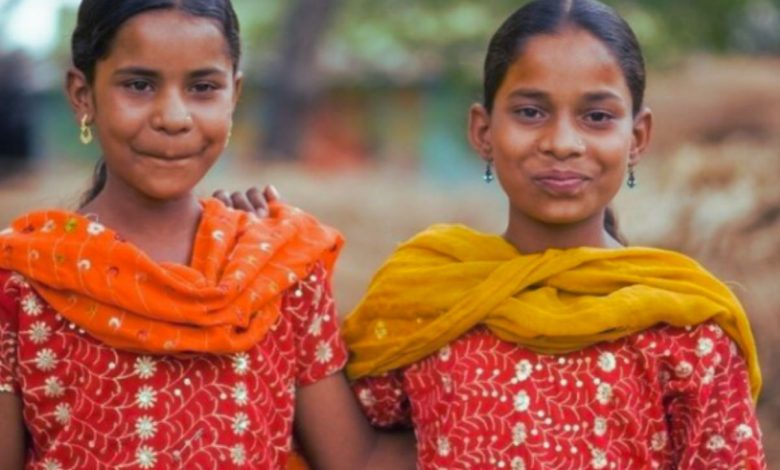
Tucked away in the Malappuram district of Kerala, the Kodinhi Village of Twins continues to baffle geneticists, medical researchers, and anthropologists across the globe. Home to roughly 2,000 families, this unassuming settlement boasts over 400 registered pairs of twins. While global twin birth rates remain relatively low, Kodinhi delivers multiple twin births almost every single year without medical intervention.
The story of Kodinhi came to national attention when local school students noticed an extraordinary number of identical faces in their classrooms. A local twin association, founded by residents, officially surveyed the region and documented hundreds of active twin pairs living within a tight geographical radius.
India normally reports one of the lowest natural twin birth rates in the entire world, averaging around 9 per 1,000 deliveries. In stark contrast, Kodinhi records an astounding rate of nearly 45 twin births per 1,000 deliveries. What makes this figure even more shocking is that the number of multiple births keeps escalating with each passing decade.
Medical researchers from Europe, Asia, and North America have visited the region to collect DNA samples, study water sources, and analyze local diets. Despite exhaustive chemical tests of the soil and drinking water, scientists found no unusual minerals or artificial chemicals that could trigger hyper-ovulation in local women.
The biological anomaly of the Kodinhi Village of Twins extends beyond geographical boundaries when local women marry outside the village. Women born in Kodinhi who move to distant cities or countries still maintain a remarkably high statistical probability of giving birth to twins. This suggests a unique genetic mutation that passes down through maternal lines rather than an environmental catalyst.
Unlike Western nations where artificial reproduction techniques like IVF drive twin statistics, Kodinhi achieves its numbers entirely through natural conception. Most families belong to modest socioeconomic backgrounds and do not have access to costly fertility drugs or clinical reproductive technologies.
Local elders recall that the surge in twin births began roughly three generations ago, around the late 1940s. Prior to that era, multiple births occurred at normal global frequencies. Why this specific genetic trait suddenly activated and spread so rapidly across diverse religious and cultural groups within the settlement remains an open medical puzzle.
Walking through the streets of this Kerala hamlet offers a surreal experience for outsiders and visiting journalists. Local primary schools often feature classrooms filled with matching pairs of brothers and sisters wearing identical uniforms.
Teachers often struggle to distinguish between students, leading to lighthearted mix-ups during daily roll calls and examinations. Rather than viewing the phenomenon as a burden, villagers celebrate their unique identity through local festivals, support networks, and community gatherings dedicated exclusively to twin families.
International medical organizations continue to track newborn deliveries in the region to see if the trend will plateau or expand further. Researchers hope that solving the mystery behind the Kodinhi Village of Twins could yield valuable breakthroughs in human fertility treatments and reproductive science.
For now, the quiet agricultural village remains one of the world’s most intriguing living laboratories. Thousands of curious travelers, media crews, and scientists visit each year, eager to glimpse a community where double births have become the ordinary standard of family life.