Beyond Modern Cosmetics: How Global Beauty Traditions Shape Identity Across Cultures
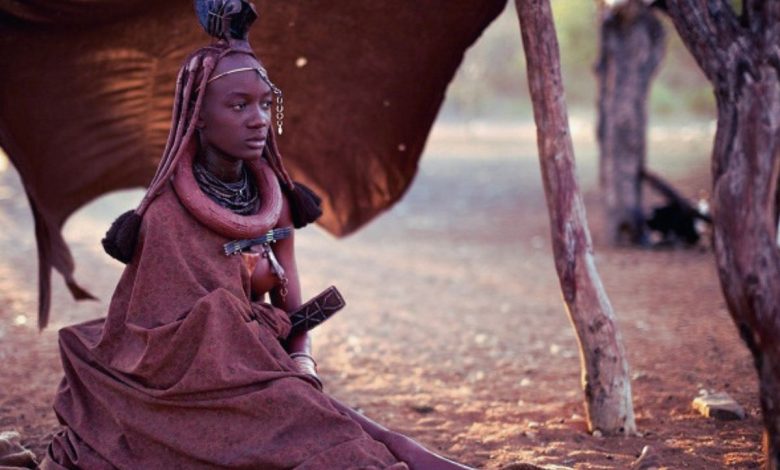
Exploring Global Beauty Traditions reveals how human societies across continents transform body modification into profound symbols of status, protection, and cultural identity. Long before commercial cosmetics dominated high fashion, indigenous communities created intricate aesthetic practices. From brass neck rings in Southeast Asia to clay lip plates in East Africa, these historic rituals challenge conventional Western definitions of attractiveness.
In the mountainous borderlands of Myanmar and Thailand, Kayan Lahwi women practice one of the world’s most recognizable physical modifications. Starting around age five, young girls receive heavy brass coils wrapped meticulously around their necks. Over decades, the sheer weight of these metal spirals depresses the collarbones and rib cage, creating a striking illusion of an unnaturally lengthened neck. Local folklore suggests the practice originally protected women against tiger attacks, though it now stands as a prized marker of feminine grace.
Thousands of miles away in the Omo Valley of Ethiopia, women of the Mursi and Surma tribes express beauty through clay lip plates known locally as dhebi a tugoin. When a young girl reaches teenage years, her lower lip is pierced, stretched gradually over several months, and fitted with handcrafted wooden or clay discs. The size of the plate reflects personal creativity, social pride, and adult maturity within the community structure.
Understanding global beauty traditions requires looking beyond superficial aesthetics to uncover historical necessity and tribal survival. In the Ziro Valley of Arunachal Pradesh, India, elder women of the Apatani tribe carry distinct wooden nose plugs alongside line tattoos stretched from forehead to chin. Historians note that neighboring tribes frequently raided Apatani villages to abduct women, prompting elders to intentionally alter facial features as a protective defense mechanism that eventually evolved into a celebrated cultural hallmark.
Similarly, intricate body scarification remains a vital artistic language among Karo and Surma pastoralists in East Africa. Using sharp thorns and natural pigments, artisans carve geometric relief patterns directly into the skin, producing raised keloid scars. These permanent markings signify bravery, endurance through pain, tribal lineage, and sexual readiness for marriage.
In eastern Indonesia, Dayak elders wear heavy brass rings to stretch their earlobes toward their shoulders, viewing long ears as proof of wisdom, patience, and noble lineage. Maasai warriors and women in Kenya practice similar ear modifications using wooden pegs and bone ornaments to display age grade and social status.
Beyond physical modifications, natural dyes play an equally vital role in traditional ornamentation throughout North Africa and the Middle East. Intricate henna patterns decorate hands and feet during wedding celebrations, acting as both visual jewelry and spiritual protection against bad fortune. Meanwhile, historical practices like Japanese Ohaguro—the art of lacquering teeth pitch-black demonstrate how married noblewomen historically signaled marital fidelity and protected dental health using iron-rich solutions.
Globalization and modern media continue to spread standardized, Western-centric beauty ideals into once-isolated rural territories. Younger generations in many indigenous communities now choose to forego painful physical modifications, opting instead for modern fashion and education.
Despite these generational shifts, many tribal elders and local cultural advocates actively document these historical practices. Tourism and cultural heritage initiatives have allowed several communities to maintain their ancestral identity while earning vital economic support. Observing these diverse customs reminds society that beauty is rarely universal; it remains a deeply personal reflection of history, survival, and communal belonging.