Pain for Perfection: How High Forehead Beauty Shaped Renaissance Fashion and Identity
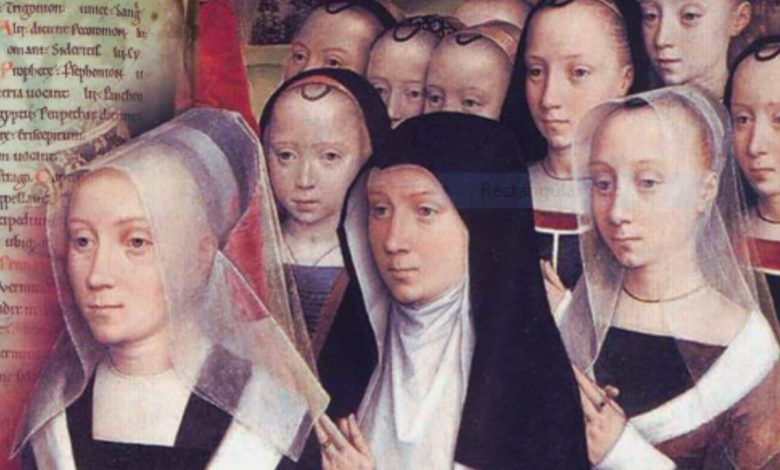
The obsession with high forehead beauty defined the elite social circles of Renaissance Europe, prompting noblewomen to pluck their hairlines and eyebrows to project intelligence, virtue, and high social standing. Between the 14th and 17th centuries, a broad, hairless, and cloudless brow served as the ultimate aesthetic ideal across Italian city-states and northern European courts. What modern viewers often mistake for an artistic quirk in paintings by Leonardo da Vinci or Jan van Eyck was, in fact, a grueling physical commitment to contemporary fashion.
During the early Renaissance, classical ideals of humanism reshaped European art, literature, and social values. Intellectuals began associating physical attributes with inner moral character, drawing heavily on physiognomy—the pseudo-science claiming that outer features reveal mental capacity. A wide, smooth forehead suggested a spacious mind capable of lofty spiritual thought and intellectual rigor.
Consequently, aristocratic society transformed high forehead beauty into a visible marker of status and purity. Women wanted to distance their appearance from physical labor and worldly ruggedness, aspiring instead toward a serene, almost angel-like innocence. Paintings from this era depict sitters with broad, porcelain-like foreheads free of wrinkles or stray hairs, establishing a visual standard that quickly swept through royal courts.
Fulfilling this demanding aesthetic required immense patience and physical endurance. While basic plucking with metal tweezers was common, women often turned to harsh chemical concoctions recorded in sixteenth-century beauty manuals (ricettari). Popular depilatory mixtures combined quicklime, arsenic, and sulfur with animal fats to burn hair follicles directly at the root.
Noblewomen even applied caustic brews containing bat blood, mastic, and lead powders to prevent hair regrowth permanently. Some extreme accounts recount using heated metal pins to cauterize hair roots, creating a hairless, baby-like forehead. Removing eyebrows completely further emphasized the expansive forehead, creating the distinctively bare, ethereal facial profiles preserved in classic Renaissance portraiture.
Achieving the coveted high hairline was far more than a personal preference; it signaled significant wealth, leisure, and adherence to courtly manners. Maintaining a flawless, hairless brow demanded considerable time and money, making it virtually impossible for working-class women to keep up. Elite women commissioned custom cosmetics, imported rare herbal washes, and spent hours in delicate grooming sessions with specialized maids.
However, moralists and church officials frequently condemned these elaborate cosmetics as sinful artifice. Misogynistic pamphlets accused women of altering God’s creation out of vanity, while early feminist writers defended bodily ornamentation as an empowering form of personal expression. Despite fierce religious opposition, the commitment to high forehead beauty endured for over two centuries, demonstrating how societal expectations override discomfort and moralistic pushback.
As the Renaissance gave way to the 17th century, European aesthetics underwent a dramatic transformation. The arrival of the Baroque era introduced extravagant wigs, complex ringlets, and high lace collars that framed the face differently. The preference for an artificially exposed forehead gradually yielded to voluminous hair arrangements that covered the hairline once again.
Modern art historians now recognize these high-forehead portraits not as passive historical artifacts, but as deliberate expressions of power, intellect, and social rank. Examining these historical grooming rituals sheds light on how societies consistently construct, enforce, and redefine beauty standards across centuries.