How Mansa Musa Wealth Triggered a Historic Economic Crisis on His Mecca Pilgrimage
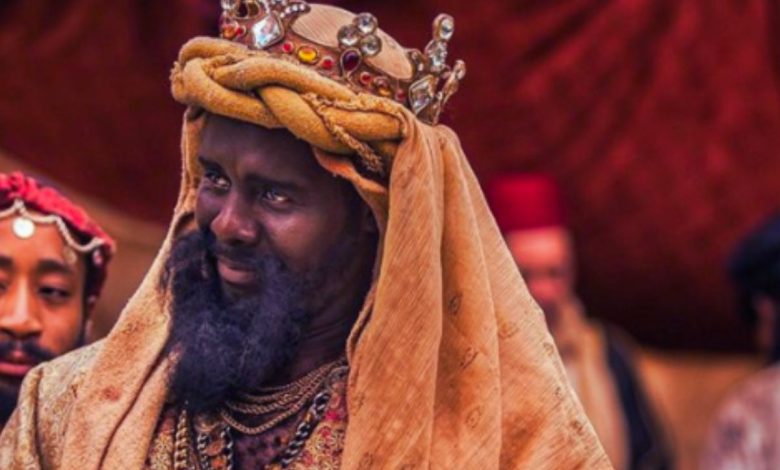
The staggering scale of Mansa Musa Wealth remains unmatched in human history, leaving modern economists and historians awestruck by its sheer magnitude. When the 14th-century Emperor of Mali embarked on his legendary pilgrimage to Mecca in 1324, he did not simply travel—he reshaped the financial landscape of North Africa and the Middle East along his journey.
Mansa Musa ruled the Mali Empire during the early 1300s, an era when his territory controlled vast reserves of gold and salt. Driven by his devout Islamic faith, he prepared for years to make the mandatory Hajj pilgrimage to Mecca. The resulting expedition was less of a personal journey and more of a walking superpower state traversing the desert.
Thousands of soldiers, court officials, merchants, and attendants lined the desert horizon. Ahead of the emperor marched hundreds of heralds draped in fine Persian silks, each holding heavy golden staffs. Behind them followed a train of camels bearing boxes of raw gold dust and minted coins intended for charitable distribution.
When the caravan reached Cairo in mid-1324, the sheer volume of Mansa Musa Wealth shocked the Egyptian capital. Musa spent lavishly in local markets, purchasing luxury goods and handing out gifts to government officers, religious scholars, and ordinary citizens. Every Friday, he reportedly financed the construction of a brand-new mosque in whatever city he visited.
However, this unprecedented generosity triggered immediate economic turmoil. The massive supply of precious metal flooded Cairo’s financial system, driving down the purchasing power of gold. Prices of basic goods skyrocketed as vendors adjusted to the sudden abundance of coin, creating severe inflation that persisted for more than twelve years.
Recognizing the economic instability caused by his spending, Musa attempted to stabilize local markets on his return trip by borrowing gold back from Cairo lenders at steep interest rates. While this maneuver temporarily altered gold values, it underscored his unique status as a ruler capable of single-handedly moving global commodity markets.
Upon returning to Mali, Musa invested heavily in civic infrastructure and higher education. He recruited Andalusian architects and scholars to build iconic structures, including the famous Djinguereber Mosque in Timbuktu. His journey firmly placed West Africa in the global spotlight, leading European cartographers to feature Musa holding a golden nugget on the famed Catalan Atlas of 1375.