The Chilling Legacy of Christopher Bernard Wilder and the 1984 Cross-Country Spree
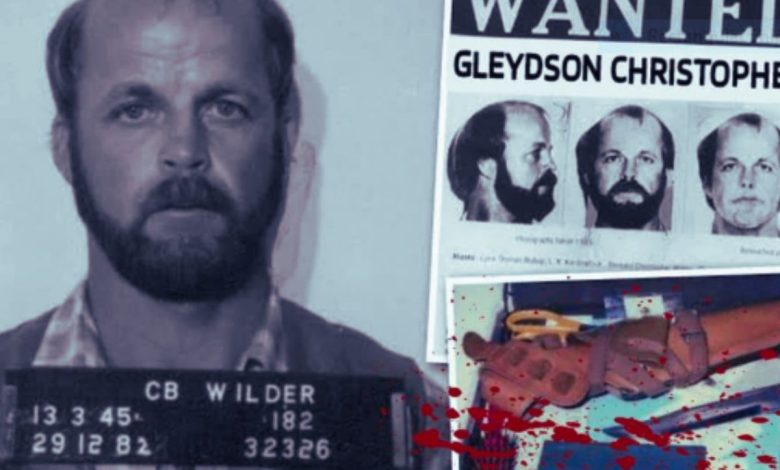
The terrifying saga of Christopher Bernard Wilder remains one of the most disturbing chapters in modern law enforcement history. Posing as a charismatic fashion photographer, the Australian-born predator exploited the glamour industry to lure young women into deadly traps. His relentless six-week cross-country rampage across the United States in 1984 left a devastating trail of abduction, torture, and murder.
Born in Sydney, Australia, Wilder migrated to the United States in the late 1960s, settling in Florida as a wealthy race car driver and contractor. Behind his opulent lifestyle lurked a predatory sexual sadist with a long history of police encounters. Utilizing high-end cameras and expensive sports cars, he created a believable persona as a talent scout seeking fresh faces for major magazines.
In early 1984, Wilder escalated his dangerous behavior into an unprecedented cross-country killing spree. Traveling across Florida, Texas, California, and New York, he abducted young women directly from shopping malls and grand prix racing events. He systematically tortured his victims, filming their suffering while evading local police departments that lacked centralized communications.
Wilder specifically targeted young women who dreamed of breaking into fashion or modeling. By capitalizing on their ambitions, he easily gained their trust in public spaces without raising immediate suspicion. Witnesses often recalled seeing victims willingly walk away with the charming Australian photographer, unaware of the nightmare awaiting them.
Among his tragic victims were beauty pageant contestants, high school students, and aspiring models. One survivor, Tina Marie Risico, was held captive for over a week and forced to accompany him across several states. Her extraordinary survival later provided federal agents with crucial insights into the predator’s psychological patterns and movement routes.
As the body count mounted, the Federal Bureau of Investigation placed Christopher Bernard Wilder on its Ten Most Wanted Fugitives list. Law enforcement agencies launched a massive, coordinated search effort as public panic spread nationwide. Media outlets broadcasted his photograph daily, making him one of the most recognized fugitives in America.
On April 13, 1984, the high-stakes manhunt reached its violent conclusion at a gas station in Colebrook, New Hampshire, near the Canadian border. Two alert state troopers spotted Wilder’s vehicle and moved in to make an arrest. During the ensuing physical struggle, Wilder was mortally wounded when his own firearm discharged, abruptly ending his reign of terror.
The devastating rampage forced American law enforcement to drastically re-evaluate how law enforcement agencies share intelligence across state lines. Prior to 1984, disconnected police departments rarely communicated effectively regarding active abductions happening in neighboring jurisdictions. Wilder took full advantage of these administrative gaps to move freely across the continent.
Today, the case serves as a foundational study in modern forensic psychology and serial killer profiling. Federal agencies redesigned missing persons protocols and improved inter-state task forces to prevent mobile predators from exploiting state borders. While decades have passed, the chilling story of Christopher Bernard Wilder stands as a stark warning about the hidden dangers lurking behind deceptive charm.