Australia Feral Cat Fence: The Massive Barrier Fighting a Feline Ecological Crisis
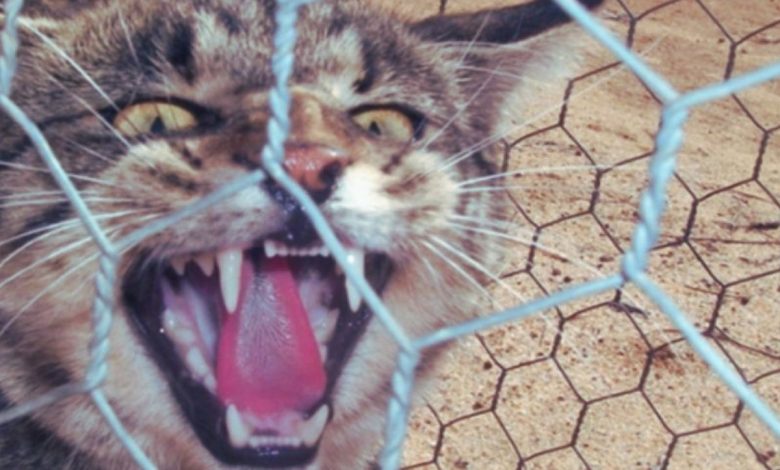
The construction of the Australia Feral Cat Fence stands as one of the most ambitious environmental protection measures in modern history, designed to safeguard endangered native species from relentless invasive predators. Built across vast expanses of the Outback, this massive predator-proof barrier protects unique wildlife that evolved for millions of years without facing agile mammal hunters. Environmentalists and wildlife authorities view this mega-structure as a vital sanctuary for creatures driven to the brink of extinction.
Feral cats are not harmless pets; they are formidable, highly adaptable apex predators introduced by European settlers in the late 18th century. Today, millions of feral cats roam the continent, killing over one billion native animals annually. Because Australia’s native fauna evolved in isolation, species like the bilby and banded hare-wallaby possess virtually no defensive instincts against these stealthy hunters.
As native populations plummeted, conservationists realized that standard pest management methods like trapping and poisoning were simply not enough to stop the devastation across vast regions.
To create a safe haven, conservation organizations built high-tech predator-proof fencing across the interior desert. The Australia Feral Cat Fence utilizes high-tensile wire mesh, specialized skirts at the base to block burrowing animals, and flexible rolled metal tops that stop cats from scaling the perimeter. Electrified wires running along the structure add an extra layer of deterrence against persistent predators.
Once workers completed the perimeter fence, teams painstakingly eradicated every single feral cat, fox, and rabbit remaining inside the enclosed area, creating a completely safe ecosystem for native wildlife.
Inside this protected sanctuary, wildlife researchers have reintroduced several species that had vanished from the mainland. Species such as the burrowing bettong, Greater Bilby, and crest-tailed mulgara have experienced rapid population growth without the pressure of feline predation. These reintroductions demonstrate that native mammals can recover remarkably fast when given a chance to breed without invasive threats.
The success inside the fenced zone serves as a living laboratory, offering critical insights into ecosystem restoration and species preservation strategies for other nations battling invasive pests.
While predator-proof fences offer immediate protection, experts acknowledge they are not a complete solution for the entire continent. Building and maintaining thousands of kilometers of high-tech fencing requires continuous funding, regular patrols, and constant repairs to fix damage caused by floods or fallen trees.
Nevertheless, the Australia Feral Cat Fence initiative proves that fenced reserves remain the most effective tool available to prevent imminent extinctions while scientists research continent-wide genetic and biological control solutions.