Architectural Modernism Meets Heritage: V&A East Opens in London
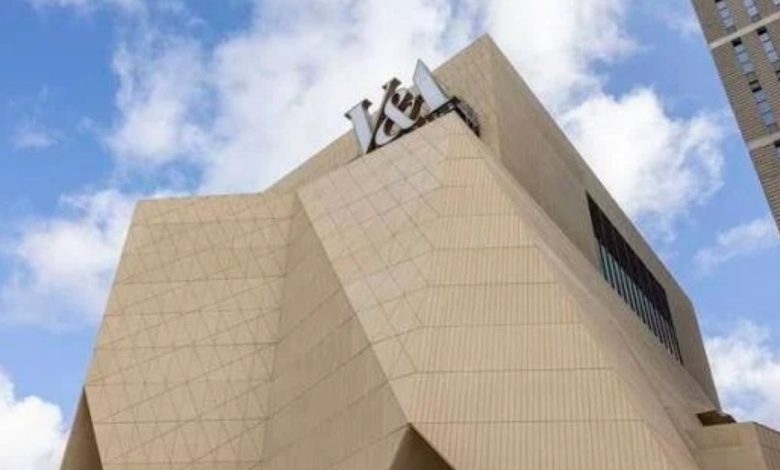
Cultural history takes a bold leap forward today as V&A East Opens in London, bringing a landmark five-story architectural triumph to the heart of East Bank at Queen Elizabeth Olympic Park. The ambitious expansion redefines how institutions share human creativity, offering unprecedented public access to centuries of heritage alongside modern pop culture artifacts.
When V&A East Opens in London, it marks an intentional departure from the quiet, velvet-rope tradition of classical institutions. For generations, national collections kept up to 90 percent of their holdings buried deep inside climate-controlled vaults. Visitors glimpsed only curated fractions behind thick glass cases.
This new venue turns that convention upside down. The building integrates public exhibition spaces directly with working collection stores. Visitors can walk between rows of racked garments, examine industrial design prototypes up close, and witness conservation staff actively restoring delicate pieces in real time.
Dublin-based architects O’Donnell & Tuomey conceived the structure as a striking sculptural volume. The exterior features faceted concrete panels that cast shifting shadows across the park plaza throughout the day. Its jagged geometry borrows structural cues from a 1950s Cristobal Balenciaga silk dress in the museum collection, translating fluid textile folds into heavy engineering.
Stepping inside reveals a central atrium surrounded by layered timber and steel catwalks. Natural daylight filters through high clerestory windows, highlighting sprawling vertical study zones. Each floor offers visual connections across departments, encouraging spontaneous discovery as guests move between gallery spaces and open reserves.
The curatorial vision dismantles artificial barriers between fine art and everyday culture. Ancient Silk Road textiles share floor space with late-20th-century streetwear, vintage stage costumes, and mid-century modern furniture. This juxtaposed layout encourages visitors to trace design influences across continents and centuries without formal academic hierarchy.
Positioned in Stratford, the project purposefully bridges institutional prestige and local community participation. Collaborative residency studios and youth creative programs form a core part of the daily schedule. Local artists and neighborhood historians contributed directly to early gallery displays, ensuring the surrounding boroughs see their own stories reflected inside.