Dry Rivers and Escalating Conflict: How the Global Water Shortage Threatens Planetary Stability
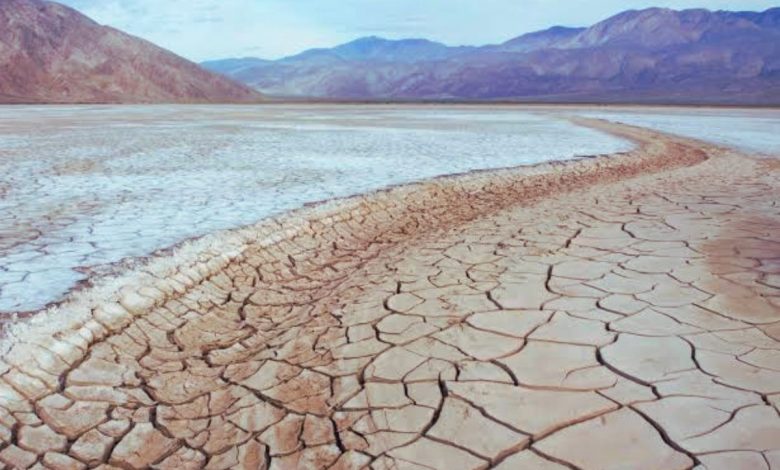
A staggering decline in river basin volume has brought the global water shortage to a catastrophic breaking point, according to a sweeping new assessment by the World Meteorological Organization. Earth’s freshwater reservoirs are evaporating at an unprecedented pace as global warming accelerates. Over three decades of declining rainfall and retreating glaciers have pushed transboundary river systems into historic lows, threatening energy security and food production worldwide.
The World Meteorological Organization’s latest flagship report draws a grim portrait of global hydrology. More than half of the world’s river catchment areas experienced abnormal discharge patterns over the past year. Major waterways that millions rely upon for daily survival are registering flow levels not seen in thirty years, exposing deep structural vulnerabilities in human infrastructure.
Glaciers in the Himalayas, the Andes, and the Alps are losing ice mass at rates faster than scientists previously projected. These frozen mountain towers act as natural water banks, releasing steady meltwater to sustain downstream agricultural systems through dry summer months. As these glacial reserves shrink, seasonal river flow grows erratic, creating a volatile cycle of sudden flash floods followed by crippling droughts.
As river systems shrink, downstream geopolitical friction is intensifying into full-scale diplomatic standoffs. Nations situated along shared river corridors are increasingly competing for every drop of remaining water. Upstream countries build massive hydroelectric dams and reservoir diversions to secure their own domestic needs, leaving downstream neighbors struggling with acute shortages.
The strategic pressure surrounding transboundary basins like the Nile, Mekong, and Indus demonstrates how the global water shortage acts as a force multiplier for political conflict. Without functional international water-sharing treaties, unilateral water management decisions threaten to destabilize entire geographic regions. Military strategists now warn that water access will overtake energy resources as the primary catalyst for international confrontation in the coming decades.
The hydrological deficit spreads far beyond environmental degradation, striking at the heart of global economic stability. Agriculture absorbs nearly seventy percent of all freshwater withdrawals worldwide, meaning reduced river flows translate directly into shrinking crop yields. Farmers in major food-producing zones are abandoning drought-stricken fields, raising fears of global food inflation and severe localized famine.
Energy infrastructure is facing a parallel crisis as river currents slow down. Hydroelectric facilities cannot generate power when reservoir levels fall below operational turbines, causing widespread blackouts and industrial slowdowns. Even nuclear and thermal power plants require vast volumes of river water for cooling operations, forcing energy operators to curtail power generation during summer heatwaves.
Adapting to this new hydrological reality requires a complete overhaul of how societies value, allocate, and conserve freshwater resources. Modernizing outdated urban pipe systems can prevent billions of gallons of treated water from leaking underground every day. Agricultural sectors must rapidly transition toward precision drip irrigation and drought-resistant crops to minimize water footprints.
Addressing the global water shortage demands unprecedented international cooperation and transparent data sharing between neighboring states. Satellite monitoring networks and advanced artificial intelligence models are now essential for predicting seasonal basin runoff and managing cross-border allocations. Restoring natural wetlands and watershed ecosystems offers a resilient buffer against extreme climate fluctuations, securing freshwater access for future generations.