How Human Evolution on Mars Could Separate Settlers From Earthlings
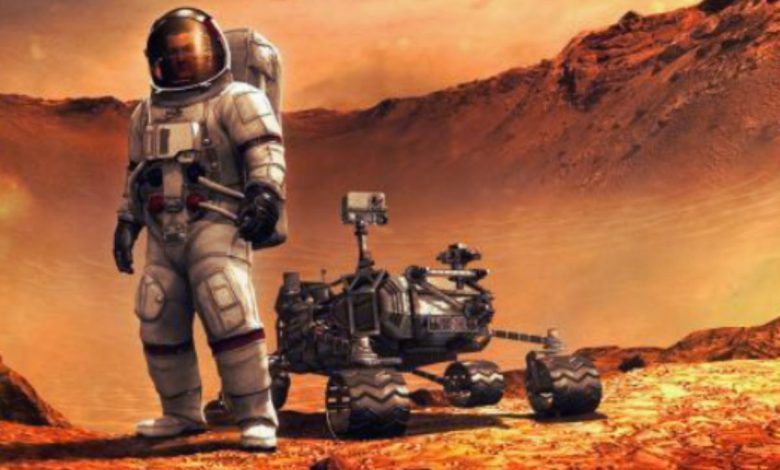
Understanding the profound reality of human evolution on Mars reveals that future space settlers may eventually diverge biologically from populations remaining on Earth. Facing extreme cosmic radiation, reduced gravity, and prolonged environmental isolation, scientists warn that Martian colonists will adapt rapidly. Within a few generations, these physical adaptations could render interbreeding between Earthlings and Martians impossible.
The Accelerating Pace of Human Evolution on Mars
Moving to the Red Planet is not merely a technological hurdle; it is a profound evolutionary catalyst. Living under just 38 percent of Earth’s gravity will immediately reshape the human frame. Muscle atrophy and rapid bone density loss will alter physical proportions, favoring taller, lighter bodies specifically adapted to low-gravity environments.
High exposure to cosmic radiation presents an even more volatile driver of biological change. On Earth, our thick atmosphere and magnetic field shield DNA from energetic solar particles. On Mars, constant radiation exposure will inevitably increase genetic mutation rates, forcing rapid cellular adaptation across successive generations of settlers.
Biological Divergence and Reproductive Isolation
As these genetic mutations accumulate, the biological distance between Earthlings and Martian colonists will widen significantly. Evolutionary biologists note that when populations are geographically isolated under vastly different environmental pressures, speciation occurs naturally. Over time, the reproductive compatibility between the two groups will decline, making natural conception difficult or scientifically unsafe.
Immune system divergence poses another critical obstacle to intimate contact between planets. Settlers raised in sterile Martian habitats will develop immune responses tailored to their specific localized microbial environment. Coming into physical contact with Earth’s vast array of viruses and bacteria could prove fatal for Martians, while novel space mutations could similarly threaten visitors from Earth.
Cultural and Morphological Shifts in Space Colonies
Physical appearance will undergo striking modifications as children are born and raised on Mars. Skin pigmentation may shift to better absorb or reflect radiation, while eyesight could adapt to thinner sunlight and artificial habitat lighting. These morphological shifts will create an unmistakable visual distinction between terrestrial humans and space-born inhabitants.
Socio-cultural dynamics will reinforce this biological separation as Martian society develops its own customs, diet, and language dialects. The psychological distance from Earth, combined with unique physiological needs, will foster a distinct planetary identity. Settlers will increasingly view themselves not as expatriate Earthlings, but as an entirely new branch of humanity.
Long-Term Implications for Interplanetary Civilization
The prospect of human evolution on Mars challenges our fundamental assumptions about space colonization. Policy makers and space agencies currently focus on propulsion, habitat construction, and life support systems. Yet, the long-term biological consequence of settling new worlds remains the most transformative factor in space exploration.
Future space farers may eventually require specialized medical protocols or artificial gene-editing interventions just to interact safely with terrestrial visitors. Rather than founding simple distant outposts, human expansion across the solar system is setting the stage for a multi-species future. Understanding these evolutionary trajectories is essential as humanity prepares to step permanently off its home planet.