From Pineapples to Cashews: The Surprising Reality of How Food Grows in Nature
Learning the surprising truth about How Food Grows in nature often shatters common assumptions held by everyday grocery shoppers. While most people consume staple ingredients like pineapples, cashews, cinnamon, and peanuts weekly, few realize these everyday items originate in utterly strange ways. From tree bark to underground pods, exploring natural agricultural origins reveals remarkable botanical engineering.
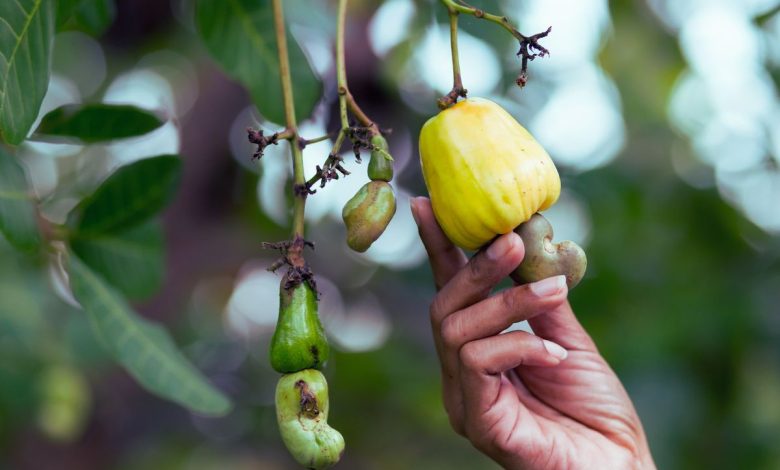
Many consumers picture fruit hanging from tall tree branches, but agricultural botany frequently defies simple logic. Consider the cashew nut, which hangs oddly from the bottom of a swollen, pear-shaped stem called a cashew apple. The toxic outer shell requires intense heat processing before the familiar creamy nut becomes safe to eat.
Similarly, many urban dwellers incorrectly assume pineapples grow on towering palm trees. In reality, pineapples sprout directly from the center of short, spiky bromeliad plants rooted low in the soil. Each pineapple takes up to two years to mature, forming a single composite fruit from dozens of individual flowers merging together over time.
Spices and condiments hold equally bizarre natural origins that surprise even seasoned home cooks. Cinnamon, for instance, is not a crushed root or seed, but rather the dried inner bark of Cinnamomum trees. Harvesters shave off thin sheets of bark, which naturally curl into familiar brown sticks as they dry under the sun.
Vanilla beans present an even more labor-intensive agricultural journey. Originating as the seed pods of delicate tropical orchid vines, vanilla blossoms bloom for just a few hours. Each flower must be hand-pollinated within this brief window, explaining why authentic vanilla remains one of the most expensive spices on Earth.
Peanuts, often grouped alongside tree nuts, are actually subterranean legumes with an unusual reproductive cycle. After their delicate yellow blossoms pollinate above ground, the flower stems elongate and push themselves downward into the soil. The edible peanut pods then swell and mature completely hidden beneath the dirt.
Sesame seeds feature a similarly hidden mechanism inside elongated seed pods that split open when ripe. Grown on tall, leafy stalks, these tiny pods burst open at the slightest touch, scattering hundreds of seeds. Studying the natural processes behind How Food Grows deepens appreciation for human agricultural ingenuity across centuries.
In an era dominated by hyper-processed meals and pre-packaged supermarket items, people rarely contemplate the living origins of their diet. Industrial food supply chains insulate urban populations from seasonal harvests and farm labor. Reconnecting with agricultural origins fosters greater respect for farming communities and global biodiversity.
Recognizing the delicate environmental conditions required for these crops highlights the impact of climate change on global food security. Rising temperatures and unpredictable rainfall patterns threaten sensitive crops like vanilla orchids, cacao trees, and saffron crocuses. Preserving these unique species demands conscious environmental stewardship and sustainable farming practices worldwide.