The Heist That Made an Icon: The Shocking Story Behind the Mona Lisa Theft
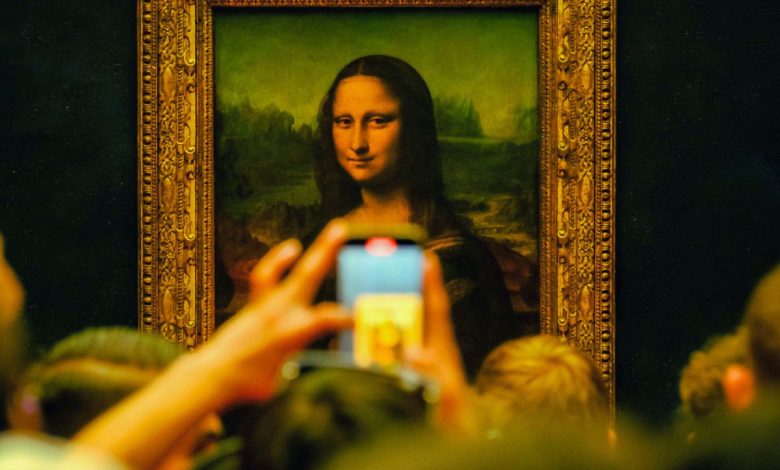
The infamous Mona Lisa Theft of 1911 transformed Leonardo da Vinci’s quiet Renaissance portrait into the most famous painting on Earth overnight. When an Italian handyman slipped out of the Louvre with the masterpiece tucked under his smock, nobody noticed for twenty-four hours. What followed was a wildly chaotic international police investigation that captivated newspapers around the globe.
On Sunday, August 20, 1911, an Italian glazier named Vincenzo Peruggia entered the Louvre museum unnoticed. Having previously worked on constructing protective glass cases for museum exhibits, Peruggia possessed intimate knowledge of the building’s layout and security weaknesses. He hid inside a storage closet overnight, patiently awaiting the museum’s closed Monday morning.
When dawn broke, Peruggia retrieved the framed portrait from the wall, unhooked the wooden panel, and discarded the heavy frame in a stairwell. Wrapping the masterpiece in a worker’s smock, he simply walked out the front doors into the streets of Paris. Museum guards assumed an official photography studio had temporarily borrowed the artwork, delaying any alarm for over twenty-four hours.
Once news broke that the painting was gone, hysteria swept through France. The Louvre closed its doors for a full week, and when it reopened, thousands of curious onlookers queued merely to gaze at the empty space on the wall. Newspapers printed massive reward offers, turning the missing portrait into a viral sensation long before the digital age.
French detectives launched an aggressive investigation, chasing wild leads and interrogating high-profile figures. Modernist poet Guillaume Apollinaire was arrested after his associate stole statuettes from the Louvre, implicating famed painter Pablo Picasso in the process. Authorities grilled Picasso relentlessly before releasing both men due to a complete lack of evidence linking them to the crime.
For twenty-eight months, the stolen masterpiece remained hidden beneath false bottoms in a wooden trunk inside Peruggia’s modest Paris apartment. He regularly checked on the panel, occasionally admiring his prize while waiting for public outrage to cool down. Contrary to rumors of an international mastermind syndicate, Peruggia acted almost entirely alone out of misplaced nationalist zeal.
He genuinely believed Napoleon Bonaparte had stolen the painting from Italy, foolishly unaware that Da Vinci actually brought the portrait to France himself in the 1500s. Driven by a desire to return the cultural treasure to its homeland, Peruggia eventually packed his trunk and boarded a train to Florence, Italy, in late 1913.
The case dramatically closed when Peruggia contacted Florentine art dealer Alfredo Geri, offering to hand over the painting for a massive monetary finder’s fee. Geri invited the director of the Uffizi Gallery to examine the artwork inside Peruggia’s hotel room. Recognizing the authentic masterpiece, they pretended to accept the deal before immediately notifying local police authorities.
Peruggia was arrested without resistance, claiming his motives were purely patriotic. While Italian courts sentenced him to less than a year in prison, the recovered painting toured major Italian cities before returning triumphantly to Paris. The spectacular media circus surrounding the recovery sealed the portrait’s status as an unrivaled masterpiece in art history.