Nature’s Sweet Chemistry: Unlocking the Science Behind the Fruit Ripening Process
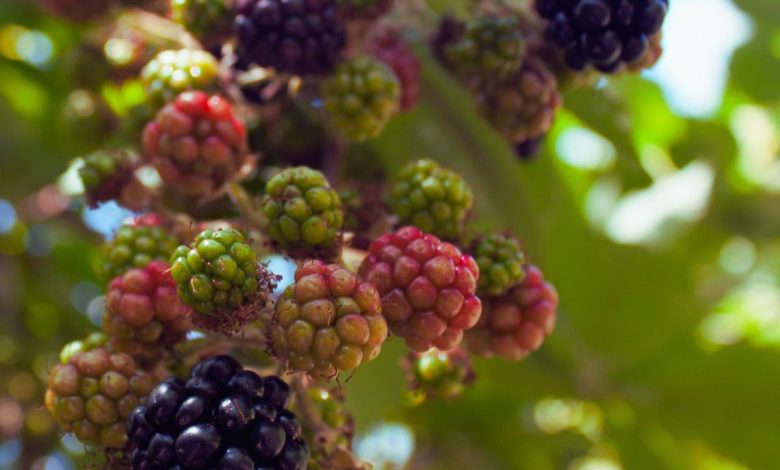
Understanding the natural Fruit Ripening Process unveils one of nature’s most fascinating biochemical transformations. What starts as a hard, bitter, and unappetizing green crop quickly metamorphoses into a soft, fragrant, and sugar-rich delicacy. This dramatic shift is not accidental; it represents a carefully orchestrated evolutionary strategy designed to ensure plant reproduction and seed dispersal across ecosystems worldwide.
Fruit maturation begins deep within plant tissues, driven primarily by a colorless, odorless hydrocarbon gas called ethylene. Ethylene functions as an internal signaling hormone, instructing the fruit to initiate aging and biochemical breakdown. Once a single cell senses ethylene, it releases more of the gas, sparking a chain reaction that spreads rapidly through the entire piece of fruit and even adjacent produce.
This cascading effect explains why placing a ripe banana inside a paper bag with an unripened avocado speeds up maturation. The trapped ethylene gas builds up concentration, forcing surrounding cells to accelerate their metabolic activity. Farmers and global food distributors exploit this exact mechanism, harvesting produce while green and firm before exposing it to controlled ethylene gas in climate-monitored warehouses.
Unripe fruit relies on high concentrations of green chlorophyll to absorb sunlight and conduct photosynthesis during early development. As maturation progresses, plant enzymes begin dismantling chlorophyll molecules, allowing hidden yellow, orange, and red pigments to emerge. Carotenoids create golden tones in mangos and peaches, while anthocyanins produce deep red and purple hues in berries and apples.
These vivid color changes serve a critical ecological purpose developed over millions of years of evolution. Wild animals possess keen visual instincts that link bright colors with sweetness and high caloric energy. By changing appearance, plants send a clear visual signal to birds and mammals that seeds are fully developed and ready for consumption and widespread dispersal.
Beyond color shifts, the Fruit Ripening Process fundamentally reshapes internal texture and chemical composition. Young, immature fruits hoard complex starches and organic acids, making them tough, astringent, and sour to protect developing seeds from premature eating. As ripening peaks, enzymes like amylase convert stored starches into simple sugars, vastly increasing sweetness and palatability.
Simultaneously, specialized enzymes called pectinases break down pectin, the rigid structural glue holding plant cell walls together. As pectin dissolves, the firm flesh softens, giving ripe peaches, plums, and tomatoes their juicy, tender texture. Volatile organic compounds also evaporate into the air, generating the distinctive aromatic scents that draw hungry wildlife and human shoppers alike.
Botanists categorize edible crops into climacteric and non-climacteric varieties based on how they mature after harvesting. Climacteric fruits—such as bananas, apples, pears, and tomatoes—continue their Fruit Ripening Process long after picking because they keep producing ethylene gas. This unique trait allows international distributors to ship produce globally without risking rot during transit.
Non-climacteric crops, including strawberries, grapes, pineapples, and citrus fruits, behave quite differently. They produce minimal ethylene and cease ripening once detached from the parent vine or tree. If picked while sour and immature, non-climacteric fruits simply spoil rather than sweetening, making harvest timing vital for agricultural growers worldwide.