Behind the Throne: How 4 Royal Mistresses Changed European History
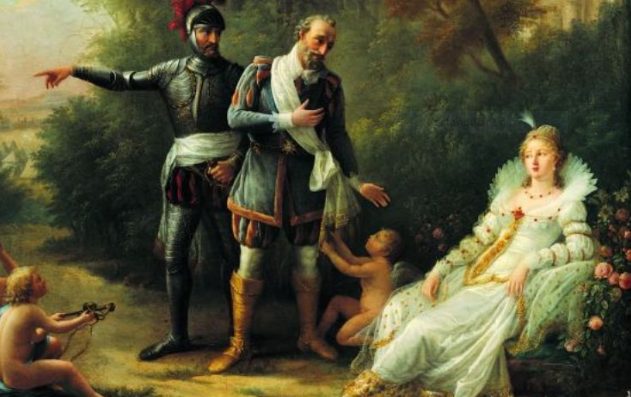
Throughout European history, Royal Mistresses often wielded far more political power than the crowned queens who sat beside monarchs. These formidable women moved beyond courtly romance to influence state affairs, shape military strategies, and redefine governance. Their hidden leverage steered royal court politics across centuries, leaving an indelible mark on kingdom destinies from France to Saxony.
In fifteenth-century France, Agnès Sorel transformed courtly traditions by becoming the first recognized official favorite of King Charles VII. Awarded the title “Lady of Beauty,” she gained formal standing that demanded royal honors from nobility. Beyond her famed physical beauty, Sorel possessed a sharp intellect that fundamentally altered French administration.
Sorel actively advised the king on state appointments, insisting that positions go to capable officials rather than well-connected aristocrats. Her bold political maneuvering eliminated widespread court nepotism and strengthened royal authority during a fragile post-war era. However, her sudden death at twenty-eight raised suspicions of foul play, which modern forensic testing later confirmed as lethal mercury poisoning.
During the religious turmoil of the sixteenth century, Gabrielle d’Estrées emerged as one of the most strategically influential royal mistresses in European history. As the favored companion of King Henry IV, she accompanied him directly onto military battlefields and managed critical diplomatic correspondence. Her deep understanding of statecraft earned her the respect of foreign ambassadors and senior ministers alike.
Her crowning political achievement came in 1593 when she persuaded Henry IV to renounce Protestantism and convert to Catholicism. This decisive move united a fractured country, allowing Henry to officially wear the French crown. Just weeks before her scheduled coronation as queen, d’Estrées tragically died from eclampsia, cutting short an unprecedented political rise.
In the eighteenth-century Electorate of Saxony and Kingdom of Poland, Anna Constantia von Brockdorff demonstrated the perilous nature of royal ambition. After capturing the devotion of King Augustus II the Strong, she secured the official title Countess of Cosel along with a written pledge of marriage. She used her position to counsel the king on international alliances, making formidable political enemies among court ministers.
When political feuds drove a wedge between the lovers, the countess refused to surrender the written marriage contract. Viewing her possession of the document as high treason, Augustus exiled her and eventually ordered her lifelong imprisonment. She spent nearly fifty years confined within Stolpen Fortress, refusing to break her resolve until her death at age eighty-four.
Jeanne Bécu, later known as Madame du Barry, shattered traditional social barriers by captivating King Louis XV of France. Born into humble poverty, her intelligence and undeniable charm propelled her through elite Parisian society into the halls of Versailles. To legitimize her presence at court, the king arranged a noble marriage for her, establishing her as his official favorite.
Despite fierce opposition from established nobles and government ministers, du Barry exerted substantial influence over royal decisions. She regularly advocated for ordinary citizens, securing royal pardons for convicted subjects facing severe sentences. Following the king’s death, she was banished from Versailles and eventually met a tragic end on the scaffold during the French Revolution.
Analyzing the historical impact of royal mistresses reveals that royal courts were rarely governed by kings alone. Behind ornate palace doors, these women acted as shadow diplomats, patronesses of the arts, and crucial political strategists. They navigated dangerous factional rivalries while carving out extraordinary authority in eras that denied formal power to women.
While traditional histories often reduced them to mere romantic footnotes, modern scholarship recognizes their true historical weight. Their ambition, political acumen, and tactical intelligence reshaped European governance, proving that informal influence could alter the course of empires.